The Movie in the Mind
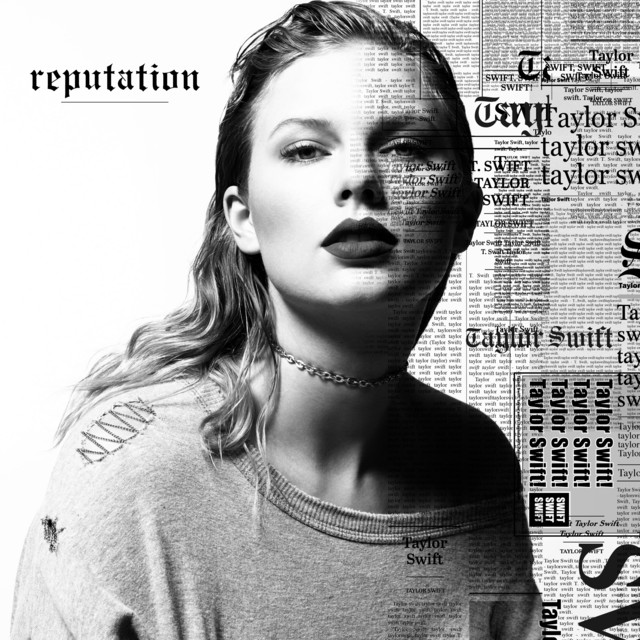
When Taylor Swift released "Getaway Car" as part of her 2017 album Reputation, she wasn’t just giving us another pop song; she was painting a vivid picture that could easily find a home on the big screen. The song is a high-speed chase through the wreckage of a broken relationship, complete with all the glamour and grit of a classic heist film.
From the outset, the imagery is cinematic. Swift’s lyrics resemble the script of a thrilling action sequence: "We were flying, but we never get far." The juxtaposition of a carefree escape with the inevitability of capture sets the stage for a story full of drama and urgency.
Character Development Through Sound
Musically, the song features a pulsing synth backbone, reminiscent of the scores from modern thrillers. Produced by Jack Antonoff, known for his ability to fuse emotional depth with catchy hooks, the song’s soundscape mirrors the tension of its narrative. It’s a sound that feels both expansive and intimate, much like the duality of the protagonist’s experience.
The characters in "Getaway Car" are not just participants in a love affair; they are players in a larger narrative. Swift sings,
This line emphasizes the fleeting nature of their relationship, akin to characters in a film who are always one step ahead of the law yet bound to face consequences."You were drivin' the getaway car, we were flying, but we never get far."
Visual Metaphors and Their Impact
The song is rich with visual metaphors that transport the listener to a world where every moment is charged with possibility. Swift’s reference to a “getaway car” evokes immediate images of escape and freedom, but also of desperation. This duality is a common trope in cinema where characters are often torn between desire and the reality of their circumstances.
In the context of Reputation, a time when Swift was dealing with public scrutiny and personal upheaval, these cinematic visuals take on a deeper significance. The song serves as a metaphor for running away from one’s problems, a recurring theme in films where characters face the consequences of their actions.
The Heist Narrative
Swift’s storytelling is reminiscent of a heist film, where the stakes are high and the tension palpable. The thrill of the chase is underscored by the desperation of the characters involved. The line,
evokes imagery of a dramatic plot twist, where the protagonist is left vulnerable and exposed."I was crying on the staircase, begging you, 'Please don't go.'"
The emotional weight of these lyrics is enhanced by the pulsating beat that drives the song forward, much like the heartbeat of a character racing against time. The fast-paced nature of the song aligns perfectly with the urgency of the narrative, making it feel like a scene pulled straight from a film.
Conclusion: A Scene to Remember
"Getaway Car" stands out not just as a catchy pop anthem but as a narrative-rich piece that showcases Swift’s ability to weave cinematic storytelling into her music. The imagery is compelling, making it feel as if listeners are not just hearing a song but are part of a thrilling movie experience. As Swift continues to evolve as an artist, it's clear that her storytelling skills, coupled with her keen sense of imagery, will keep us on the edge of our seats.
Did you know? Taylor Swift co-wrote "Getaway Car" with Jack Antonoff, who has collaborated with her on multiple projects, helping to shape the sound of the Reputation era.