Fashion as a Language of Identity
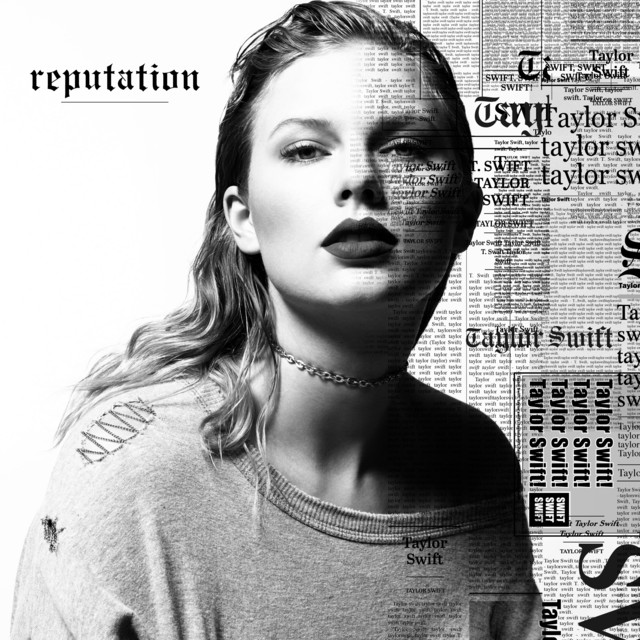
Taylor Swift’s "Dress," from her 2017 album Reputation, dives into the complex interplay between fashion and identity. Swift’s lyrics reveal how clothing serves not just as fabric but as a powerful symbol of desire, intimacy, and the hidden corners of one's persona. By weaving fashion into the narrative, she crafts a multilayered exploration of self that resonates with her listeners.
Clothing and Intimacy
In "Dress," Swift's references to clothing become metaphors for intimacy. The notion that a dress can encapsulate a relationship's essence elevates the garment from mere fabric to a vessel of emotion. She sings about wanting to keep the relationship secret, where the dress becomes a symbol of the hidden aspects of love. Lines like
highlight how clothing is intertwined with her fantasies and desires."Only in my dreams, you're with me and I'm in your dress"
The Reputation Context
Released as part of Reputation, a project characterized by its exploration of personal reinvention, "Dress" stands out as a bold statement on how fashion reflects identity. The album's themes of public scrutiny and private life are mirrored in the song's exploration of what we choose to wear versus what we choose to reveal. Swift's fashion choices throughout her career have often sparked conversation, and in "Dress," she flips the script, using her lyrics to discuss how clothing can signify deeper truths about who we are.
Symbolism of the Dress
The dress in Swift's narrative is a powerful symbol of both vulnerability and strength. It represents the dichotomy of wanting to be seen and yet desiring privacy. The line
conveys a sense of obsession, suggesting that her connection to this person is so profound that it eclipses everything else. In this way, fashion becomes a means of communication—a way to express what words often cannot."I don't wanna look at anything else now that I saw you"
Fashion in Pop Culture
Swift's exploration of fashion isn't just personal; it's a reflection of a larger trend in pop culture where clothing signifies identity and status. The intersection of fashion and music has been well-documented, with artists using their style to enhance their artistic persona. In this song, Swift's approach to fashion speaks to a generation that values authenticity and self-expression. The idea that clothing can carry such weight challenges traditional notions of identity.
Interesting fact: Swift co-wrote and produced "Dress" with Jack Antonoff, known for his work with artists like Lorde and Lana Del Rey, which contributes to the song's lush sound.
The Personal and the Political
Swift’s lyrics also touch on the broader implications of how women navigate their identities through fashion. The pressure to present oneself in a certain way can be overwhelming, yet Swift’s narrative suggests a reclaiming of that power. The dress is not just an item of clothing; it represents the complexities of womanhood and self-definition. This reclamation is essential in a culture that often seeks to define women by their appearances.
Conclusion: The Power of Fashion Symbolism
In "Dress," Taylor Swift masterfully intertwines fashion symbolism with identity, revealing how clothing can be both a shield and a window into the soul. The song stands as a bold testament to the power of personal expression, encouraging listeners to consider how they dress not just as a matter of choice, but as a reflection of their innermost selves. As Swift navigates the complexities of love and identity through fashion, she invites us to ponder the roles our own wardrobes play in defining who we are.