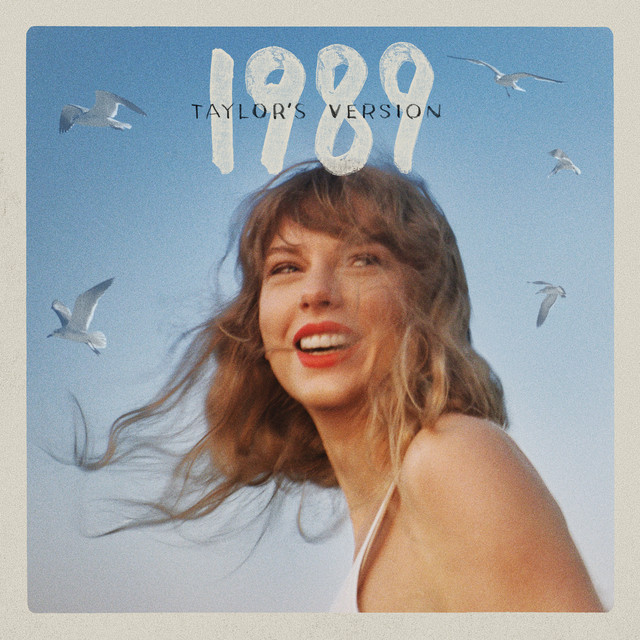
Satire Wrapped in a Love Song
With 'Blank Space (Taylor's Version),' Taylor Swift revisits a track that not only encapsulates her wit but also serves as a scathing commentary on how the media shapes perceptions of celebrity relationships. Originally released in 2014 as part of her album 1989, the song’s re-recording has brought renewed attention to its clever dissection of romantic narratives.
The Media’s Canvas
At the heart of 'Blank Space' lies a satire of the way media often portrays Swift's love life. Swift writes with a self-awareness that is almost disarming. Lines like
highlight the sensationalism with which her relationships have been treated. Here, she cleverly plays into the narrative while simultaneously critiquing it, suggesting that the media's obsession with her romantic entanglements is as much a part of her identity as the music she creates."Got a long list of ex-lovers, they'll tell you I'm insane"
Dark Humor in the Lyrics
The playful yet ominous tone of the song is underscored by its catchy pop hooks, making it easy to overlook the darker themes at play. Swift’s line
serves as both a forewarning and a wink. It’s a reminder that the narrative will never be as simple as ‘girl meets boy.’ This dark humor not only entertains but also exposes the often grim realities of public scrutiny."Wait, the worst is yet to come, oh, no"
A Reflection of Reality
Swift’s self-portrait in 'Blank Space' is more than just a reflection of her personal experiences; it’s a commentary on the broader implications of how relationships are consumed by the public. The song’s infectious chorus, which invites listeners to
, suggests the transient and often superficial nature of these romantic tales. It’s a clever nod to the fact that the next headline is always just around the corner."write your name"
Re-recording for Empowerment
Upon her decision to re-record her earlier albums, including 1989, Swift has taken control of her narrative in a way that is both empowering and necessary. 'Blank Space (Taylor's Version)' acts as a reaffirmation of her artistic independence, allowing her to reclaim the stories that have been told about her. By reinterpreting this song, she simultaneously reinforces its critique of media sensationalism.
The Ironic Romance
The irony woven into the fabric of 'Blank Space' is palpable. Swift operates within the confines of the romantic pop genre while cleverly subverting its tropes. The song’s playful portrayal of love as a game, where “players gonna play,” critiques the cyclical nature of media narratives that often reduce relationships to mere spectacle.
Conclusion: A Lasting Impact
In 'Blank Space (Taylor's Version),' Taylor Swift demonstrates that the darker sides of love and fame can be viewed through a lens of humor, making the song both entertaining and thought-provoking. As she continues to evolve as an artist, this track stands as a testament to her ability to dissect her identity in the public eye while challenging the narratives forced upon her.
Swift's re-recording of her albums is part of her broader fight for artistic ownership, reclaiming her music from the control of her former label.