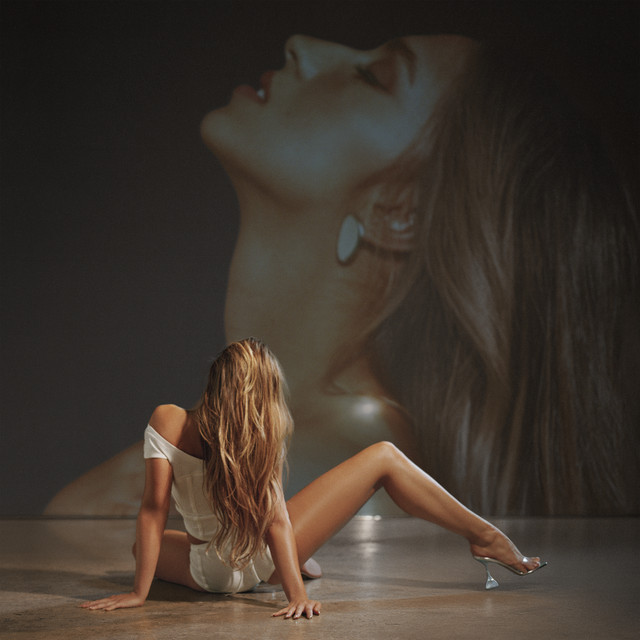
Layers of Meaning in Motion
Tate McRae’s music video for "Revolving Door" is a vibrant exploration of the emotional cycles inherent in relationships. Premiering with her third studio album, So Close to What, released in 2025, the video captures the essence of feeling trapped yet hopeful, encapsulating the duality of love and longing.
From the outset, the revolving door itself serves as a potent symbol. It represents the cyclical nature of relationships—how one can be drawn back into the same patterns, often against their better judgment. McRae’s use of this imagery is particularly striking, as it mirrors the lyrics where she expresses a desire to break free but finds herself pulled back.
Visuals that Echo Lyrics
The opening scenes are drenched in pastel hues, evoking a sense of nostalgia that complements the song's themes of reflection and yearning. As McRae sings about “spinning around in circles,” the camera captures her movement through the door, emphasizing the repetitive motions of both her physical and emotional state.
"I keep running in place, but I can’t get away."
These words resonate profoundly with the imagery presented; the door embodies both escape and entrapment. Each time she steps through, it suggests a temporary release—only to find herself back where she started.
The Dance of Vulnerability
Choreography plays a critical role in the storytelling. McRae’s dance movements fluctuate between fluid grace and sharp, jerky motions, mirroring the unpredictability of her emotional landscape. This physical manifestation of vulnerability is particularly compelling during the chorus, where she is seen twirling, caught in the dance of desire and despair.
Did you know? The music video was filmed in various urban settings, enhancing the theme of feeling lost in a crowded world.
Color and Light as Emotional Indicators
Color choices in the video amplify its emotional impact. The transition from warm tones to cooler shades reflects the shift from hope to despair, paralleling McRae’s lyrical journey. As she grapples with her feelings, the lighting dims, further highlighting her isolation amidst the bustling backdrop.
In one poignant scene, McRae stands alone in a dimly lit room, the door revolving behind her. This moment crystallizes the feeling of loneliness that can accompany love's complexities—an echo of her line about “fading into the background.”
Symbolism Beyond the Door
While the revolving door is the central motif, other symbols pepper the video. Mirrors, often emphasizing self-reflection, illustrate the internal struggles McRae faces. The presence of reflections serves as a reminder that her self-perception is often distorted by the tumultuous nature of her relationships.
Moreover, the urban landscape, filled with blurred faces and rushing figures, suggests the chaos of modern love. As she navigates this environment, the contrast between her stillness and the world’s frenetic pace underscores the isolation felt even in crowded spaces.
Conclusion: A Cycle of Healing
Ultimately, the music video for "Revolving Door" is more than just a visual accompaniment to the song; it's a narrative of emotional cycles, vulnerability, and the quest for clarity in the chaos of love. McRae’s artistic choices—both in lyrics and visuals—profoundly articulate the complexities of navigating the delicate balance between connection and independence.
In a world where love often feels like a revolving door, Tate McRae invites us to confront these cycles, urging listeners to reflect on their own emotional journeys.