The Birth of a Classic
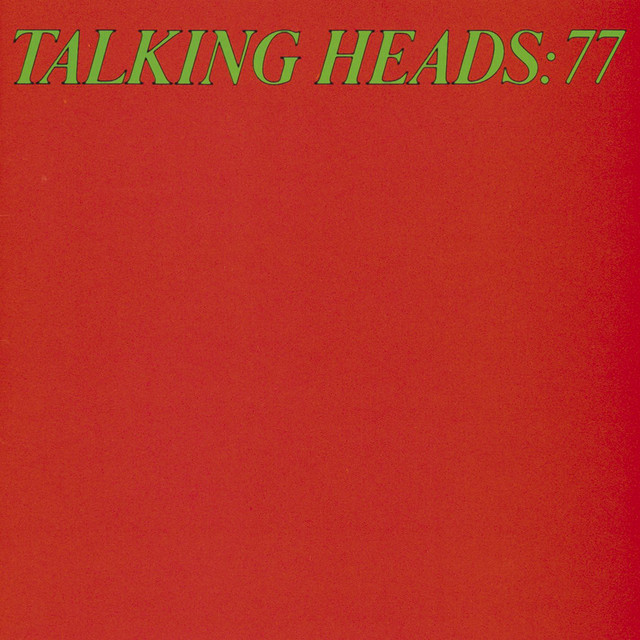
Released in 1977 on their debut album Talking Heads: 77, "Psycho Killer" showcases the band's early experimental sound and dark sensibilities. The track reached No. 92 on the U.S. Billboard Hot 100 and has since become a cornerstone of the new wave genre. With its haunting lyrics and unsettling narrative, it’s a song that invites listeners to confront the darker corners of the human psyche.
Behind the Lyrics
The lyrics of "Psycho Killer" come from a place of inspiration that is both personal and observational. David Byrne, the band's frontman, drew from his own experiences and the unsettling realities of life in urban America. The character in the song embodies a sense of paranoia and disconnection, reflecting the anxieties of the era.
"I can't seem to face up to the facts / I'm tense and nervous and I can't relax"
This line captures the essence of a mind teetering on the edge, a sentiment that resonates deeply in a society plagued by violence and mental health issues. Byrne’s ability to articulate this tension makes the song feel eerily relevant, even decades later.
The Influence of Cinema
Byrne has mentioned that the song was partially inspired by the psychological thrillers of the era. The influence of films like Psycho and The Texas Chainsaw Massacre can be felt in the song's chilling narrative. The juxtaposition of catchy melodies with disturbing themes creates a dissonance that is both captivating and unsettling.
Did you know? The iconic bassline, played by Tina Weymouth, was created during a jam session and became one of the most recognizable riffs in rock history.
Musical Elements of Disturbance
The combination of Weymouth's funky bassline, Chris Frantz’s driving percussion, and Byrne's frenetic vocal delivery plays into the song's theme of madness. The rhythm evokes a sense of urgency, mirroring the chaotic thoughts of the song's narrator. This musical tension complements the lyrics, making the listener feel the weight of the protagonist's disturbed psyche.
A Broader Commentary
“Psycho Killer” goes beyond just a song about a disturbed individual; it serves as a critique of societal norms. The line
reflects a growing apathy towards violence and mental illness in society. Byrne's character is not just a killer; he is a product of his environment, a victim of a society that often turns a blind eye to such issues."What’s that? / I don't know, but it’s not my problem"
Legacy and Impact
More than four decades later, "Psycho Killer" continues to resonate with audiences. Its haunting lyrics and infectious groove have cemented its status as a classic. The song has influenced countless artists across genres, proving that the themes of alienation and madness are timeless.
As we listen to "Psycho Killer" today, we are reminded that the line between sanity and insanity is often blurred. The chilling narrative and eerie inspiration behind the song force us to confront uncomfortable truths about ourselves and the world around us.