The Echoes of Consumerism
In the dizzying swirl of the 1980s, where consumer culture was king and excess defined a generation, Talking Heads’ ‘Once in a Lifetime’ emerged as a prophetic reflection of the era's anxieties. The 2005 remaster of this iconic track doesn’t just breathe new life into the song; it sharpens the critique of a society obsessed with materialism and superficial success.
A Post-Punk Perspective
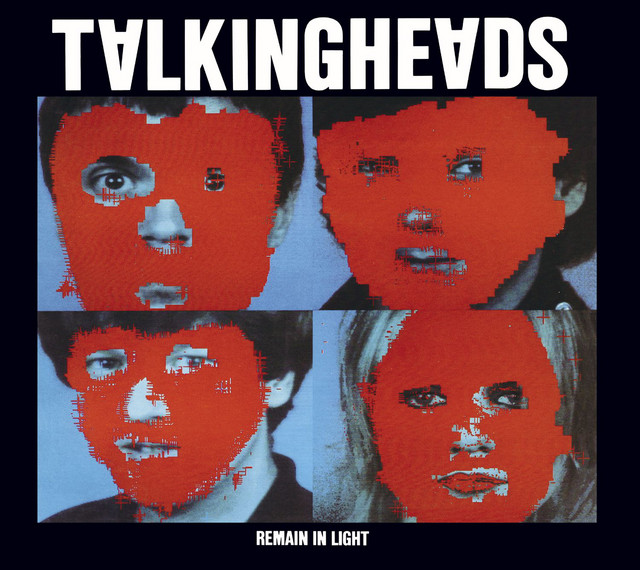
Originally featured on the band’s critically acclaimed 1980 album, Remain in Light, ‘Once in a Lifetime’ was produced by Brian Eno, whose avant-garde sensibilities pushed the boundaries of rock. With its polyrhythmic beats and layered instrumentation, the track is a sonic whirlwind. David Byrne’s disjointed, almost manic delivery of lyrics paints a vivid image of existential confusion.
Existential Questions Amidst Materialism
The song’s central refrain, “How did I get here?” resonates as a haunting mantra, encapsulating the disillusionment of a generation caught in a cycle of consumption. This phrase speaks to the feeling of detachment many felt, as they navigated through a landscape dominated by advertising and consumer goods.
"And you may ask yourself, 'What is that beautiful house?'"
This line illustrates the absurdity of wealth in a society where appearances often overshadow substance. The “beautiful house” is emblematic of the American Dream, a facade that many strived for yet found unfulfilling. The song's surreal qualities, combined with Byrne's erratic performance style, mirror the chaotic energy of the decade.
Consumerism and Identity Crisis
As the 1980s progressed, the rise of consumer culture created a paradox: individuals became defined by what they owned rather than who they were. Byrne's lyrics cleverly dissect this identity crisis with the line, “And you may ask yourself, 'Am I right? Am I wrong?'” This reflects the internal struggle of many, questioning their choices in a world that often prioritizes material success.
‘Once in a Lifetime’ was released as part of the band’s three-CD box set in 1992, further cementing its status as a cultural touchstone.
The Music Video's Impact
The accompanying music video, directed by Toni Basil, adds another layer to the song's critique. With its surreal visuals and Byrne’s quirky dance movements, the video reinforces the themes of alienation and absurdity. The combination of striking imagery and frenetic energy amplifies the song's message, making it not just an auditory experience but a visual one.
A Timeless Reflection
In the 2005 remaster, the production shines brighter, with layers of sound that feel both nostalgic and relevant. Listening to it today, one can’t help but reflect on how these themes persist. With the rise of social media and an even more pervasive consumer culture, the anxieties expressed in ‘Once in a Lifetime’ feel as pertinent now as they did over four decades ago.
"Same as it ever was."
This closing line is a powerful reminder of the cyclical nature of consumerism and disillusionment. Despite the passage of time, the fundamental questions about identity, worth, and the nature of fulfillment remain unchanged.
The Lasting Legacy
Talking Heads’ ‘Once in a Lifetime’ stands as a critical commentary on the complexities of 1980s consumerism, its anxieties still echoing in today’s society. The 2005 remaster not only revitalizes the track but also serves as a crucial reminder of the importance of self-awareness in a world that often discourages introspection.