Artistry Meets Activism
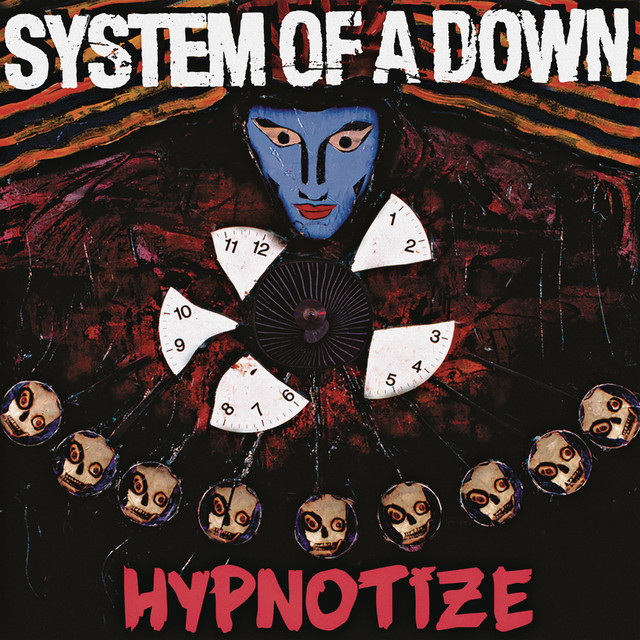
System of a Down's "Hypnotize," released as the lead single from their fifth studio album on October 11, 2005, isn't just a heavy metal anthem; it’s a sharp critique of socio-political realities that echo the tumultuous landscape of the early 20th century. The song’s biting commentary resonates with historical movements where propaganda and manipulation were rampant.
The Illusion of Control
In the chorus, the repeated line "Why don’t you ask the kids at Tiananmen Square?" serves as a grim reminder of state-sponsored violence and the suppression of dissent. This reference not only highlights a significant moment of political upheaval in 1989 but also connects to broader themes of authoritarianism that have plagued societies throughout history.
"Why don’t you ask the kids at Tiananmen Square?"
Such lines illustrate how art can reflect and critique political realities, drawing parallels between the struggles of the past and present. The band’s Armenian heritage also fuels their critique, particularly in light of the Armenian Genocide, which remains a crucial yet often overlooked part of early 20th-century history.
Propaganda and Public Perception
System of a Down’s sound, a fusion of metal and Armenian folk influences, reinforces their message. Producer Rick Rubin, known for his work with diverse acts, helped craft a sound that is both aggressive and thought-provoking. The chaotic instrumentation mirrors the disarray found in political movements that often rely on propaganda to sway public perception.
While the early 20th century saw the rise of fascist regimes and the use of media to manipulate the masses, "Hypnotize" confronts this issue head-on. The lyrics suggest a populace entranced by false narratives, akin to the hypnotic techniques employed by totalitarian governments to maintain control.
Historical Resonance
The song’s themes resonate with the disillusionment seen in many historical movements. The disconnection from reality—"Why don’t you ask the kids at Tiananmen Square?"—challenges listeners to reflect on their own complacency. This mirrors the sentiments of early 20th-century activists who fought against oppressive regimes and the manipulation of truth.
System of a Down’s activism extends beyond music; they have been vocal about the Armenian Genocide and other humanitarian issues, using their platform to raise awareness.
Conclusion: Art as a Catalyst
“Hypnotize” serves as more than just a heavy metal track; it’s a call to action. By connecting the dots between historical events and contemporary issues, System of a Down creates a powerful commentary that urges listeners to remain vigilant against manipulation. The song’s critique of societal complacency and its ties to early 20th-century political movements illuminate the ongoing struggle for truth and justice.