The Cultural Clash of 'Chop Suey!'
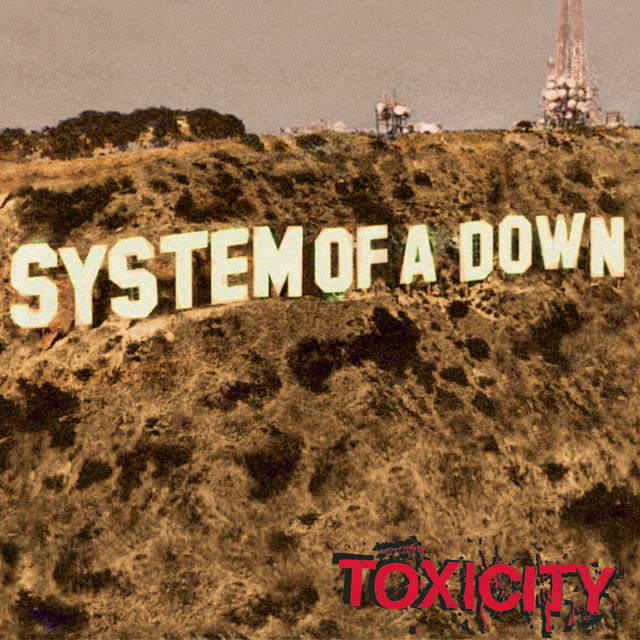
Released on August 13, 2001, as the lead single from their second album, 'Toxicity', System of a Down's 'Chop Suey!' is often examined through the lens of its frenetic energy and distinct sound. Yet, beneath the aggressive instrumentation lies a complex narrative that speaks to cultural identity and the immigrant experience. The song's chaotic blend of heavy metal and Armenian folk influences creates a soundscape that reflects the band’s own heritage.
Life and Death in Lyrics
The lyrics of 'Chop Suey!' are packed with existential inquiry and a search for meaning, encapsulating a struggle that transcends cultural barriers. The opening lines set the tone:
Here, the seemingly mundane act of preparing for the day takes on a heavier significance, suggesting a facade that many wear in their daily lives."Wake up! Grab a brush and put a little makeup!"
This duality is where cultural identity becomes crucial. For many immigrants, the act of ‘waking up’ and engaging with a new culture often means losing parts of oneself, a theme that resonates with the Armenian-American background of lead vocalist Serj Tankian. The juxtaposition of self-presentation and existential dread reveals a deeper commentary on assimilation and loss.
Identity Through Conflict
As the song progresses, the chaotic structure mirrors the turmoil faced by those straddling multiple cultures. Lyrics like
suggest a feeling of alienation and misunderstanding that can arise from cultural dislocation. The phrase “self-righteous suicide” speaks to a broader societal critique, hinting at how individuals are often pitted against their own identities in a world that demands conformity."I don’t think you trust in my self-righteous suicide"
System of a Down’s aggressive sound becomes a vessel through which these themes are expressed, effectively channeling the frustrations of those grappling with their cultural narratives. The band’s Armenian heritage, particularly their collective experiences with the Armenian Genocide, adds layers of significance to their music, allowing listeners to confront uncomfortable truths about identity and survival.
Interpreting the Title
The title 'Chop Suey!' itself is emblematic of cultural fusion. Traditionally a Chinese dish, it has become a symbol of Americanized Asian cuisine, reflecting how cultures can be appropriated and transformed. This culinary metaphor underscores the complexities of cultural identity — what does it mean to consume a culture without understanding its roots?
System of a Down's 'Chop Suey!' was a commercial success, reaching number one on both the Billboard Mainstream Rock Songs and Alternative Songs charts.
Musicality as a Reflection of Struggle
Musically, 'Chop Suey!' is a whirlwind of time signatures and dynamics, embodying the tension it lyrically portrays. The shifts between soft, melodic sections and explosive crescendos mirror the unpredictable nature of identity crises. The intense shifts can be interpreted as a sonic representation of the internal conflict many face, especially in a world that often feels at odds with their very existence.
This is particularly evident in the bridge where the music pauses, allowing a moment of contemplation amid chaos. The line
resonates with feelings of abandonment, a powerful question that echoes the struggles of those navigating their cultural identities. It’s a call for understanding and connection, highlighting the universal quest for belonging."Father, why have you forsaken me?"
Conclusion: A Legacy of Reflection
'Chop Suey!' stands not just as a heavy metal anthem but as a profound commentary on cultural identity, loss, and the search for purpose. In a post-9/11 world, its themes of alienation and conflict became even more pertinent, allowing it to transcend its initial context and speak to generations grappling with their own identities. System of a Down has crafted a piece that is as much about personal struggle as it is a reflection of a fractured society.
As listeners continue to dissect its layers, 'Chop Suey!' remains a vital part of the conversation about cultural identity, making it an enduring classic in the annals of rock music.