The Grand Overture
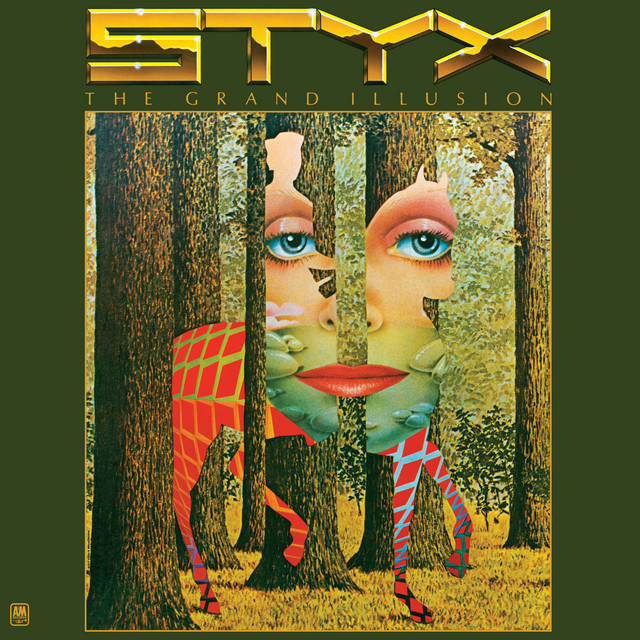
When Styx released "Come Sail Away" in 1977 on their album The Grand Illusion, they didn't just craft a hit; they constructed a musical journey that melded rock with classical sensibilities. Written and sung by Dennis DeYoung, the track is a textbook example of how rock musicians can borrow from the classical genre to create something that feels both expansive and intimate.
Rich Arrangements
The song opens with a sweeping piano introduction that sets the stage for what's to come. This is not just a simple chord progression; it's a deliberate nod to the grandiosity often found in classical music. The interplay between the piano and orchestral strings creates an atmosphere that feels almost cinematic. DeYoung's ability to weave these influences into a rock setting is a testament to his musical prowess.
Choral Elements
As the song progresses, the addition of harmonized vocals evokes the layered complexities of a choral arrangement. There's something distinctly classical in the way voices intertwine, especially during the chorus. When DeYoung sings,
, the harmonies lift the listener, reminiscent of a choir rising to a crescendo in a symphonic piece."Come sail away, come sail away, come sail away with me..."
Dynamic Shifts
Another hallmark of classical music is its dynamic shifts, and "Come Sail Away" is rich with them. The transition from the serene verses to the powerful choruses mimics the ebb and flow of a symphony. This push and pull keeps the listener engaged, creating a sense of anticipation. It’s a technique that serves the narrative well, making the listener feel as if they are embarking on an adventure.
Instrumentation Choices
The instrumentation in "Come Sail Away" is another area where classical influences shine. The use of acoustic guitar, flute, and synthesizers creates a rich sound palette. The flute, in particular, adds a whimsical quality, steering the song into ethereal territory. This choice is reflective of classical composers who often employed woodwinds to evoke nature and emotion.
Epic Storytelling
Lyrically, the song tells a story that resonates on multiple levels. It’s not just about sailing; it's about escape and the pursuit of dreams. DeYoung’s storytelling method is akin to that of classical operas, where narratives unfold through music and lyrics. The climactic moments of the song mirror the dramatic arcs found in classical compositions.
Interestingly, "Come Sail Away" has been covered by numerous artists across genres, further highlighting its broad appeal and enduring legacy.
Cultural Impact
Decades after its release, "Come Sail Away" remains a staple in the classic rock canon. Its ability to transcend genres speaks to the timelessness of its composition. The classical influences that permeate the song not only enhance its depth but also allow it to resonate with listeners who may not typically gravitate toward rock music.
A Lasting Legacy
In a world where music often feels compartmentalized, Styx's "Come Sail Away" serves as a reminder of the beauty that can arise from blending genres. The classical elements imbued in the arrangement elevate it from a mere rock anthem to a sophisticated piece of art. Dennis DeYoung’s vision for the song remains a high-water mark in rock music, showcasing the power of classical influence in an era that was otherwise dominated by straightforward rock and pop.