The Connection to Nature
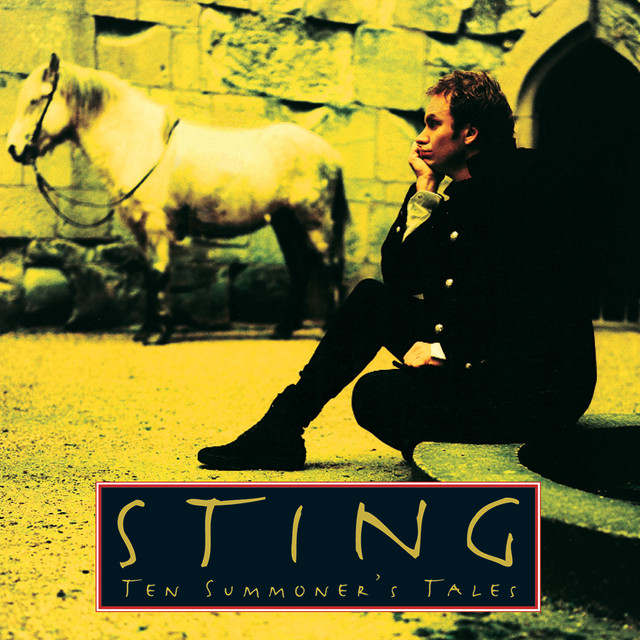
Sting's "Fields Of Gold" is not just a tender love song; it’s a vivid exploration of nature that intertwines human emotion with the changing seasons. Released in 1993 on his album Ten Summoner's Tales, this track stands out for its rich imagery that evokes both nostalgia and longing.
The opening lines immediately transport listeners to a golden landscape, where the wheat fields symbolize both fertility and transience. The reference to nature here is not merely decorative; it serves as a backdrop against which personal stories unfold. Nature becomes a living entity, reflecting the passage of time and the cycles of love.
Celtic Folklore Influences
Sting’s use of nature imagery is deeply rooted in Celtic folklore, which often celebrates the interconnectedness of human experiences with the natural world. In Celtic tradition, fields and forests are not just settings but are imbued with meaning and spirit. The lyrical references in "Fields Of Gold" echo themes found in ancient Celtic poetry, where nature acts as a witness to human emotions, particularly love and loss.
For example, when Sting sings about "the barley growing in the sun," it conjures images of the harvest season, a time of both abundance and inevitable change. This duality mirrors the Celtic understanding of life’s cyclical nature — every beginning has an end, and every love story is laced with moments of joy and sadness.
"You'll remember me when the west wind moves / Upon the fields of barley"
This line illustrates how nature serves as a memory keeper. The wind, a recurring symbol in Celtic tales, often represents the breath of life and the passage of time. Sting’s connection to this imagery underscores the idea that nature not only surrounds us but also shapes our memories and emotions.
Emotional Resonance
The emotional weight of "Fields Of Gold" is further amplified by its pastoral setting. The fields are not just a metaphor for romantic love; they also encapsulate the bittersweet nature of nostalgia. As the song progresses, the imagery becomes more intimate, reflecting the personal nature of the memories being conjured.
In Celtic folklore, the fields often symbolize both the heart's desires and its vulnerabilities. Sting captures this essence masterfully, suggesting that love, much like the changing seasons, is both beautiful and fleeting. The imagery evokes a sense of longing, as listeners are reminded of their own experiences with love and loss.
Musical Landscape
Musically, the gentle melodies and acoustic instrumentation of "Fields Of Gold" complement the lyrical themes beautifully. Produced by Sting and featuring a blend of folk and soft rock elements, the song’s arrangement allows the lyrics to shine without overshadowing them. The simplicity of the melody echoes the straightforward yet profound nature of the lyrics, making the connection to the earth even more poignant.
Did you know? "Fields Of Gold" has been covered by various artists, further testament to its universal themes of love and nature.
The song’s lasting impact lies in its ability to evoke a strong sense of place. Each note and word conjures an image of sunlight filtering through golden fields, making it a timeless piece that resonates with anyone who has ever felt the warmth of love intertwined with the beauty of nature.
A Lasting Legacy
Ultimately, "Fields Of Gold" stands as a tribute to the power of nature to evoke emotion and memory. Its roots in Celtic folklore remind us that our personal stories are often reflected in the world around us. As we navigate the complexities of love, Sting's imagery encourages us to look to the natural world for understanding and comfort.
In a world that often feels disconnected from nature, "Fields Of Gold" invites listeners to reconnect with the earth and, in doing so, reconnect with our own histories and feelings.