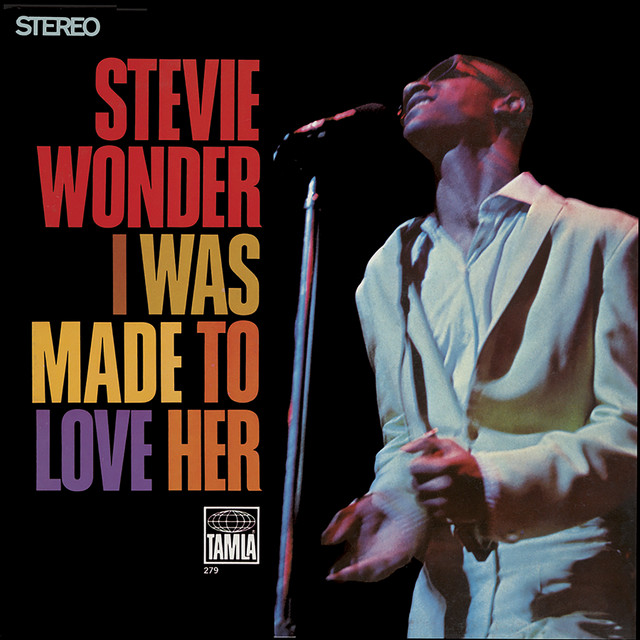
Born from Love
Stevie Wonder's "I Was Made to Love Her," recorded in 1967 for the Motown label, is more than just a song; it’s a reflection of a childhood steeped in love and longing. Written when Wonder was only 17, the track showcases a maturity in songwriting that belies his age, hinting at the deep emotional currents that shaped his early years.
The Early Years
Born Stevland Hardaway Morris in Saginaw, Michigan, Wonder faced immense challenges from a young age. Blind shortly after birth due to retinopathy of prematurity, his early life was marked by the struggle to find his place in a world that often overlooked him. Yet, it was within this adversity that his talent and passion for music flourished.
Family and Music
Wonder's familial environment played a crucial role in his artistic development. Raised in a musical household, his mother, Lula Mae Hardaway, was a significant influence, often singing and encouraging her son. This nurturing atmosphere is palpable in the jubilant tone of "I Was Made to Love Her," where Wonder sings about devotion and affection.
"I was made to love her, built my world around her"
These lyrics reflect a childlike admiration and an earnest love that stem from his formative relationships. His ability to convey such heartfelt emotion is a testament to how his upbringing shaped his understanding of devotion and affection.
Motown's Influence
Being signed to Motown at a young age introduced Wonder to a vibrant world of musical innovation that further influenced his songwriting. Under the mentorship of figures like Berry Gordy, he was encouraged to explore the depths of his feelings through music. This environment not only fostered his talent but also provided him with the emotional vocabulary to articulate love and connection.
The Sound of Love
Musically, "I Was Made to Love Her" is a blend of soul and pop, characterized by its infectious melody and rhythm. The arrangement, featuring a punchy horn section and Wonder's signature harmonica, embodies the exuberance of young love. This sound parallels the innocence and joy that Wonder felt as a child, often reflected in his playful yet sincere delivery.
Connection to His Roots
Despite the upbeat nature of the song, there’s an undercurrent of yearning that suggests a deeper emotional complexity. Wonder's experiences with love weren't solely romantic; they were also about familial bonds and the connections he built through music. His lyrics often reflect this multifaceted understanding of love, which is evident in lines like:
"And I know that I’m her man, for I was made to love her"
The sense of purpose and belonging in these words speaks to the influence of the strong connections in Wonder's early life.
Legacy of Love
Years later, Wonder would continue to explore similar themes in songs like "I Just Called to Say I Love You," but the sincerity found in "I Was Made to Love Her" is uniquely tied to his youth. It encapsulates the innocence of first love and the idealism of a young man discovering his voice and place in the world.
Interesting fact: "I Was Made to Love Her" reached number 5 on the Billboard Hot 100 and became one of Wonder's signature songs, showcasing his early genius.
Ultimately, the emotional core of "I Was Made to Love Her" is a product of Wonder's childhood experiences. His ability to channel those formative years into a universally relatable anthem of love solidifies his status as one of the great songwriters of his generation. The song not only captures the essence of young love but also serves as a poignant reminder of how our early experiences shape our artistic expressions.