The Psychedelic Legacy of 'Voodoo Child'
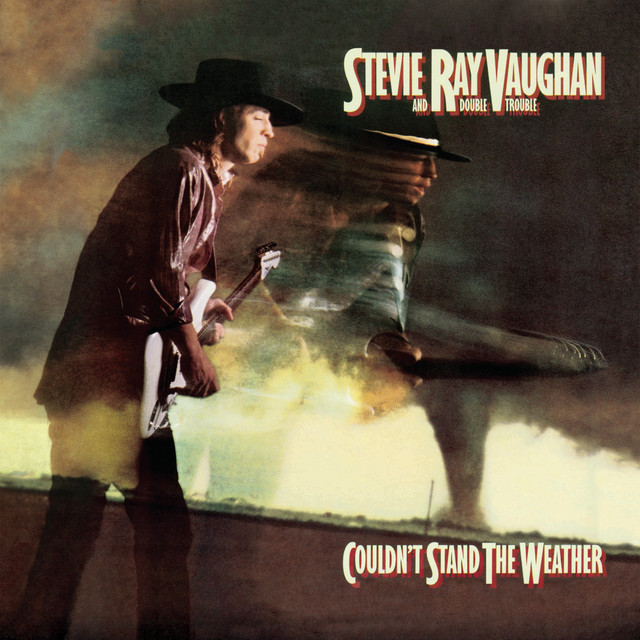
Stevie Ray Vaughan's rendition of "Voodoo Child (Slight Return)" is more than just a blues rock anthem; it's a masterclass in the fusion of genres. Released in 1984 on his second album, Couldn't Stand the Weather, this track owes a significant debt to the psychedelic traditions laid down by Jimi Hendrix, whose original composition, "Voodoo Chile," emerged in 1968. Vaughan's interpretation is laced with swirling guitar effects, heavy reverb, and a sense of sonic exploration that echoes the hallucinatory essence of the 60s counterculture.
Hendrix's Influence and Stylistic Echoes
Hendrix's "Voodoo Chile" introduced a new kind of electric blues that embraced distortion and improvisation, qualities that Vaughan adopted and amplified. The swirling guitar lines in Vaughan's version are reminiscent of Hendrix's style but are delivered with a ferocity that is distinctly his own. The way Vaughan bends notes and uses feedback creates a soundscape that feels both ethereal and grounded.
"I’m a voodoo child, I’m a voodoo child"
This repeated mantra in Vaughan's work is a nod to the mystical aspects of the blues, amplifying the connection between music and spirituality. The psychedelic influences manifest not only in the lyrics but also in the song's structure, which flows like a dream, shifting and morphing as it progresses.
Textural Layers and Guitar Wizardry
Vaughan’s use of a wah pedal, coupled with his signature Fender Stratocaster, adds a vibrant texture to the track. The wah creates a sweeping, vocal-like quality that heightens the listener's senses. It’s a technique that harkens back to the psychedelic rock era, where guitarists experimented with sound to push the boundaries of what the instrument could convey.
The song also features a heavy influence of Texas blues, infusing the psychedelic rock elements with a regional authenticity that sets Vaughan apart from his contemporaries.
Rhythmic Pulse and the Groove
While the guitar work is undeniably the centerpiece, the rhythm section deserves equal credit. Double Trouble's tight grooves create a foundation that allows Vaughan's guitar to soar. The interplay between drummer Chris Layton and bassist Tommy Shannon keeps the song grounded, ensuring the psychedelic explorations don’t drift too far into chaos. This balance is crucial, as it allows Vaughan to navigate through wild improvisations without losing the song's core.
Legacy and Cultural Significance
The impact of "Voodoo Child (Slight Return)" extends well beyond its sonic achievements. It serves as a bridge between blues and rock, showcasing how the two genres can inform and elevate each other. Vaughan's version brought a new generation of listeners to the blues while reaffirming the genre's relevance in the context of rock music.
In a 1984 interview, Vaughan acknowledged the heavy influence of Hendrix on his playing, stating, "He opened the door for all of us.” This sentiment is palpable in the way Vaughan approaches "Voodoo Child"—not as a cover, but as a conversation with a musical giant, channeling the spirit of a bygone era while forging his own identity.
Conclusion: A Psychedelic Triumph
Stevie Ray Vaughan’s "Voodoo Child (Slight Return)" stands as a testament to the power of psychedelic influences in shaping monumental rock music. It’s a track that captures the essence of exploration, both in its sound and its spirit. By intertwining the rich legacies of blues and psychedelia, Vaughan not only honors his predecessors but also carves out a distinct place in rock history for himself.