The Birth of a Blues Classic
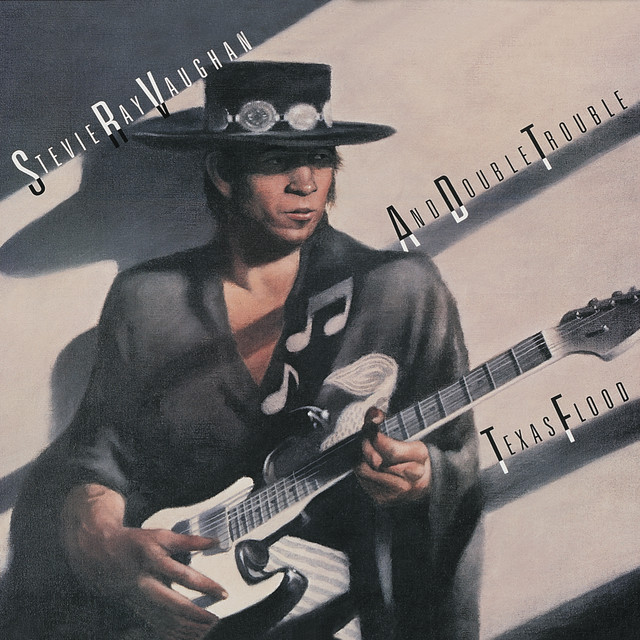
In the vibrant musical landscape of the early 1980s, few artists shone as brightly as Stevie Ray Vaughan. Emerging from the Austin music scene, Vaughan's raw talent and distinctive style redefined blues rock, culminating in the release of his debut album, "Texas Flood," in 1983. Among its standout tracks is "Pride and Joy," a song that began not as a meticulously crafted piece but as a spontaneous jam session.
A Jam Turned Anthem
The origins of "Pride and Joy" reveal much about Vaughan's creative process. The song was born from a casual musical gathering, where Vaughan and his band, Double Trouble, discovered a groove that would soon become iconic. This organic start is evident in the track's infectious rhythm and playful energy, showcasing Vaughan's ability to channel spontaneity into something lasting.
"You’re my pride and joy, you’re my sweet little baby..."
These lyrics, simple yet effective, echo the joys of love and devotion. Vaughan's blend of personal narrative with universal themes of affection created a connection that resonated with listeners. The song's upbeat tempo and catchy riff made it a favorite in live performances, further solidifying its place in the blues canon.
Production and Release
Under the production of the legendary John Hammond, "Pride and Joy" was polished and released as part of "Texas Flood" in June 1983. The album's success was significant, reaching No. 38 on the Billboard 200 and earning Vaughan a Grammy nomination. Its blend of traditional blues with rock elements allowed Vaughan to reach a broader audience while staying true to his roots.
Did you know? "Pride and Joy" was Vaughan's first single to receive significant radio play, helping to launch his career into the mainstream.
Cultural Impact and Legacy
As the years have passed, "Pride and Joy" has evolved into more than just a hit song. It has become a standard in blues music, covered by countless artists and included in numerous compilations. Vaughan's mastery of guitar and evocative delivery transformed the track into a powerful anthem that captures the essence of love and longing.
The song's influence extends beyond its initial release. Contemporary artists cite Vaughan as a pivotal figure in their musical journeys, with many paying homage to "Pride and Joy" in their own works. This enduring legacy underscores the track's significance in the blues genre and its role in shaping future musicians.
Conclusion: A Timeless Tribute
Stevie Ray Vaughan's "Pride and Joy" stands as a testament to the power of spontaneity in music. What began as a casual jam blossomed into an essential piece of blues history, proving that the best songs often come from moments of pure creativity. With its irresistible rhythm and heartfelt lyrics, this track continues to inspire and captivate, securing Vaughan's place as a true guitar hero.