Improvisation Meets Tradition
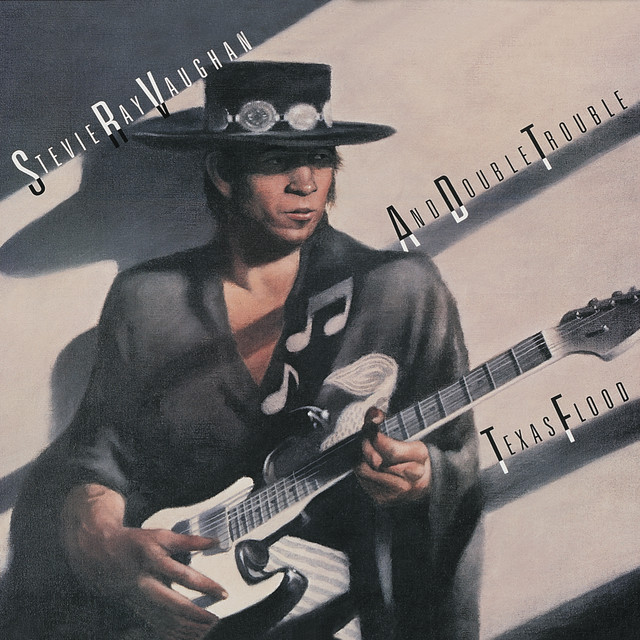
Stevie Ray Vaughan’s rendition of "Mary Had a Little Lamb" on his debut album Texas Flood (1983) is more than just a playful take on a nursery rhyme. It’s a vibrant showcase of Vaughan's improvisational style rooted deeply in the blues tradition. This track, originally penned by Buddy Guy in 1968, serves as a bridge connecting the playful innocence of childhood to the raw, emotional expression characteristic of the blues.
A Nod to Buddy Guy
Vaughan’s version pays homage to Buddy Guy's original from A Man and the Blues, but with a distinct flair. While Guy's rendition is steeped in the classic Chicago blues sound, Vaughan infuses it with Texas grit, transforming a simple melody into a high-energy showcase of musicianship. This is where the improvisational nature of Vaughan's guitar work shines through.
Guitar Mastery and Emotional Depth
From the very first note, Vaughan’s guitar weaves a narrative that transcends the song’s simplistic lyrics. His signature stratocaster tone cuts through the mix, creating a dialogue with the rhythm section that feels both spontaneous and meticulously crafted. The way he bends notes and plays with timing is a testament to his deep understanding of blues.
These lyrics, while familiar, become a launching pad for Vaughan's improvisational flights."Mary had a little lamb, its fleece was white as snow..."
Improvisation as a Blues Foundation
Improvisation is a hallmark of blues music, and Vaughan’s approach to "Mary Had a Little Lamb" exemplifies this principle. He takes what is known and pushes it into new territory, a characteristic shared with blues legends such as B.B. King and Albert King. The song transforms into a jam session, with Vaughan often extending the solos beyond the expected, inviting his bandmates to join in the spontaneous celebration of sound.
The Spirit of Texas Flood
On Texas Flood, produced by John Hammond, Vaughan not only showcases his guitar prowess but also his ability to breathe new life into traditional forms. This album marked a pivotal moment not just in Vaughan’s career, but also in the revival of the blues genre in the 1980s. His unique blend of rock, soul, and blues paved the way for a new generation of musicians.
Legacy of a Blues Innovator
Vaughan’s interpretation of "Mary Had a Little Lamb" is a reminder that the blues is not merely a genre, but a living, breathing entity that evolves with each artist. His ability to take a simple children’s song and transform it into a masterclass in blues improvisation speaks volumes about his artistry. Each note he plays is a testament to his roots while also pushing the boundaries of what the blues can be.
Did you know? Stevie Ray Vaughan was heavily influenced by blues legends like Jimi Hendrix and Albert King, but he always returned to the raw emotionality of Buddy Guy.
A Celebration of the Blues
Ultimately, "Mary Had a Little Lamb" stands as a celebration of Vaughan's blues heritage. It’s a playful yet profound exploration of how improvisation can transform a seemingly simple tune into a powerful statement. With each performance, Vaughan invites listeners to experience the joy and spontaneity that defines the essence of the blues.