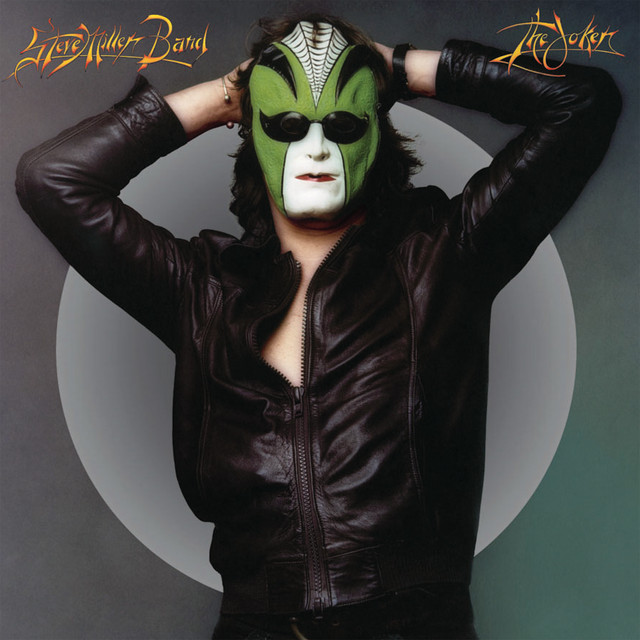
Counterculture and the Clown Prince
When Steve Miller released "The Joker" in 1973, it was more than just a catchy tune; it was an anthem for a generation seeking liberation from the norms of the past. The playful language and whimsical imagery reflect the burgeoning counterculture of the 1970s, a time when traditional values were being questioned and redefined.
A Playful Persona
The song's titular character is a self-proclaimed joker, a figure who embodies a carefree attitude and a sense of mischief. Lines like
serve as an invitation to embrace an alternative perspective on life. This playful identity resonates with the era's ideals of freedom and self-expression."Some people call me the space cowboy"
Wordplay as a Reflection of Rebellion
Miller’s clever wordplay captures the spirit of the time. The juxtaposition of lightheartedness with themes of love and existential exploration mirrors the dichotomy of the 1970s. The line
is emblematic of a generation that was eager to break away from societal constraints, dabbling in drugs and alternative lifestyles as a form of rebellion."I’m a joker, I’m a smoker, I’m a midnight toker"
The Influence of Psychedelia
The playful tone of "The Joker" is rooted in the psychedelic rock movement that dominated the 1960s and early 70s. Miller’s lyrical style is reminiscent of the surreal imagery that characterized the genre, with its emphasis on humor and absurdity. The song’s laid-back groove and melodic hooks create an atmosphere that is both inviting and liberating.
Contextualizing the Sound
Produced by Steve Miller himself, the album "The Joker" was pivotal for the band, showcasing their ability to blend rock, blues, and pop sensibilities. The catchy refrain and infectious rhythm not only made it a commercial success but also cemented its place in the cultural landscape of the time.
Connection to Other Works
Later tracks like "Take the Money and Run" (1976) also reflect this playful narrative style. That song tells a story of youthful bandits on the run, echoing the themes of adventure and rebellion found in "The Joker." Both songs share a sense of escapism and a quest for freedom, underlying the collective consciousness of a generation.
The Legacy of the Joker
Over the years, "The Joker" has transcended its initial release, becoming a staple in American pop culture. Its catchy chorus and ridiculous character have made it a beloved classic, but its roots in counterculture remain significant. In a world grappling with societal norms, Miller's playful language serves as a reminder of the power of humor and creativity in challenging the status quo.
The song reached No. 1 on the Billboard Hot 100 chart in 1974, solidifying Steve Miller Band's place in rock history.