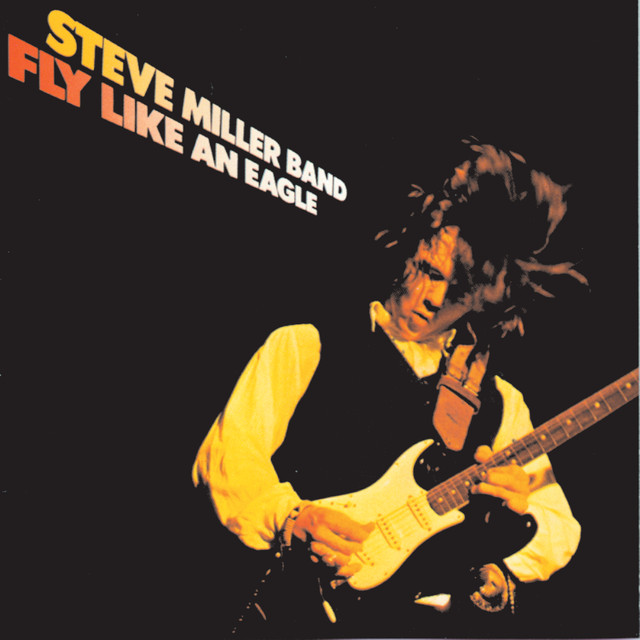
The Spirit of Rebellion
Released in 1976, "Take The Money And Run" by the Steve Miller Band is much more than a catchy tune; it’s a reflection of the rebellious spirit that characterized 70s counterculture. The narrative follows two young bandits, Billy Joe and Bobbie Sue, who embody the restless youth of the time, living on the fringes of society in search of freedom and adventure.
Musically, the track represents a shift towards a more playful and storytelling approach in rock. With its upbeat tempo and infectious chorus, the song captures a sense of liberation that was pervasive among the youth during this era. The slick production by Steve Miller himself enhances the laid-back vibe while still packing a lyrical punch.
A Counterculture Narrative
The lyrics tell a tale of defiance and escape, starting with the line,
—a stark and provocative opening that grabs attention immediately. This isn’t just a story about crime; it’s a commentary on the disillusionment with societal norms. The characters are not hardened criminals but young dreamers, which resonates with the youth who felt trapped by the expectations of adult life."Billy Joe shot a man in the face"
The song’s infectious chorus,
, serves as a rallying cry for those seeking to break away from conventional paths. It reflects a growing sentiment among the youth to reject the status quo and pursue their own desires, echoing the broader themes of the counterculture movement that sought freedom from authority."Take the money and run"
Influence of the 70s
The 1970s was a time marked by upheaval—politically, socially, and musically. Post-Vietnam War disillusionment and the remnants of the 1960s counterculture left many young people feeling alienated. In this context, songs like "Take The Money And Run" provided an anthem for escape and rebellion.
Moreover, the song’s playful yet dark humor captures the duality of the era. The characters aren’t glorified heroes; they are flawed individuals making questionable choices, which aligns with the counterculture’s embrace of anti-hero narratives. The carefree attitude of the song contrasts sharply with the serious undertones of its story, mirroring the complexities of the time.
Legacy and Connection
"Take The Money And Run" stands as a pivotal moment in the Steve Miller Band's career, following the success of their earlier hit, "The Joker". While "The Joker" celebrated love and whimsy, this track took a darker turn, showcasing Miller’s versatility as a songwriter. The transition from light-hearted romance to a narrative steeped in crime reflects a broader artistic shift within rock music during the 70s.
Furthermore, the song’s influence extends beyond its initial release. It has been embraced by subsequent generations who find in it both a catchy tune and a vehicle for expressing discontent. The spirit of adventure and rebellion continues to resonate, making it a timeless classic.
Did you know? "Take The Money And Run" reached #11 on the Billboard Hot 100 chart in 1976, solidifying the Steve Miller Band’s status in the rock scene.
In retrospect, "Take The Money And Run" is more than just a narrative about two bandits; it encapsulates the essence of a generation yearning for freedom. Through its catchy melodies and sharp storytelling, it remains a vibrant piece of the 70s counterculture puzzle.