The Gritty Reality of The Pusher
Steppenwolf's iconic track "The Pusher" is not just a song; it’s a raw reflection of the societal undercurrents of the late 1960s. Written by Hoyt Axton in 1963, and popularized by its inclusion in the 1969 film Easy Rider, the song captures the tension between freedom and the darker elements of the counterculture movement. It serves as a commentary on the drug culture that was blooming alongside the era’s quest for liberation.
Hoyt Axton: The Man Behind the Words
Axton, a folk singer and songwriter, drew from his own experiences and observations. He was no stranger to the complexities of life on the fringes, having witnessed the struggles of addiction and the allure of easy escape. His lyrics resonate with authenticity, speaking to the allure of the pusher and the peril it represents.
"You know that I’m not the one to blame"
This line captures the ambivalence of those caught in the cycle of addiction. The pusher, while a villain, is also a product of the environment — a reflection of societal failure. Axton’s perspective doesn't just vilify; it seeks to understand the desperation that fuels such a lifestyle.
Steppenwolf and the Cultural Shift
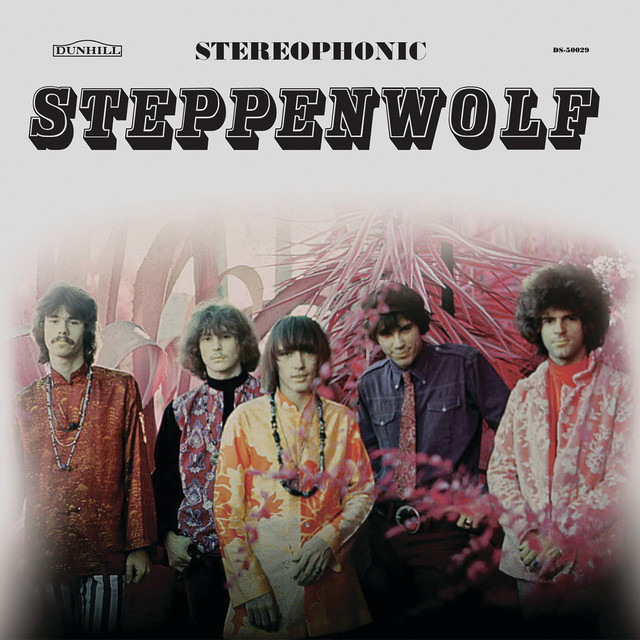
Steppenwolf's rendition on their self-titled debut album, released on January 29, 1968, transformed Axton's song into an anthem of rebellion. The heavy guitar riffs and John Kay's gritty vocals infused the track with a sense of urgency. It became synonymous with the counterculture's struggle against conventional societal norms.
Interestingly, the song's popularity skyrocketed after it was featured in Easy Rider, a film that epitomized the spirit of the 1960s. The film’s depiction of two bikers traversing America in search of freedom mirrored the themes found in "The Pusher".
Real-Life Inspirations
The characters that populate "The Pusher" can be seen as composites of real individuals that Axton encountered. The pusher is not merely a dealer; he embodies the seductive nature of drugs that promise escape but deliver devastation. The lyrics paint a picture of a world where addiction thrives and lives are irrevocably altered.
"But the pusher is a man, he’s got no soul"
This lyric underscores the moral void that often accompanies those who profit from addiction. It reveals a stark truth about the people involved in the drug trade — often caught in a web of their own making. The pusher isn’t just a figure; he represents systemic issues that plague society.
Impact and Legacy
Decades later, "The Pusher" continues to resonate. Its themes of addiction and moral ambiguity are as relevant today as they were in the 1960s. The song has been covered by various artists, each bringing their own interpretation to Axton's haunting narrative.
More than a relic of its time, "The Pusher" serves as a reminder of the ongoing struggles surrounding addiction. The characters depicted offer a glimpse into the lives affected by choices that lead to heartbreak and loss.
Conclusion: A Cautionary Tale
In a world that often romanticizes rebellion, Axton's lyrics remind us of the harsh realities that lie beneath. "The Pusher" is more than just a song about drugs; it’s a cautionary tale that warns against the seductive pull of the underbelly of society. As we reflect on the track, it’s essential to recognize the real-life inspirations that shaped its powerful narrative.