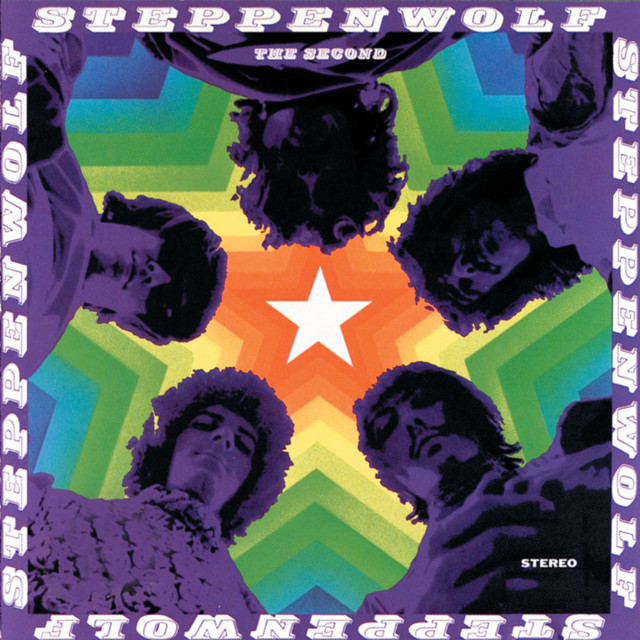
Psychedelia and the Spirit of the Sixties
Released in 1968 on the album Steppenwolf, "Magic Carpet Ride" stands as a hallmark of the psychedelic rock genre that flourished during the counterculture movement. Written by John Kay and Rushton Moreve, the track encapsulates the essence of a generation seeking liberation through music, art, and altered states of consciousness.
The song's infectious groove and whimsical lyrics invite listeners to embark on an exhilarating journey. Its very title conjures images of escape and adventure, mirroring the ideals of the era where traditional norms were challenged, and new perspectives were embraced. In many ways, it became an anthem for those looking to transcend the mundane.
Imagery of Freedom and Exploration
"Magic Carpet Ride" is rich with imagery that reflects the psychedelic experience. The lyrics create a vivid picture of a journey that is both imaginative and liberating. Lines that evoke the feeling of flying high above the clouds serve as a metaphor for freedom from societal constraints. The imagery aligns perfectly with the drug-fueled escapism that defined much of the 1960s counterculture.
"I like to dream, yes, yes, right between the sound machine"
This opening line is not just a whimsical flourish; it captures the essence of a mind expanded by both creativity and consciousness-altering experiences. Dreaming is elevated to a form of travel, suggesting that the mind can wander to places beyond the physical world.
Soundscapes and the Psychedelic Experience
The musical composition of "Magic Carpet Ride" complements its lyrical content. The heavy guitar riffs and driving beat create a sonic landscape that feels as if it’s propelling the listener into an ecstatic state. The production, spearheaded by producer Gabriel Mekler, features a blend of rock and blues that was innovative for its time, further enhancing the song's connection to the psychedelic movement.
The instrumental breaks allow listeners to feel as though they are indeed soaring through the skies, reinforcing the theme of liberation. This musical journey mirrors the visual art and literature of the time, which often sought to depict altered states of awareness.
Cultural Significance and Legacy
Steppenwolf’s "Magic Carpet Ride" quickly became a staple of the counterculture, embodying the spirit of an age that valued individualism and self-exploration. Its enduring popularity can be attributed to its ability to capture the zeitgeist of the 1960s while remaining relevant through the decades.
As a cultural artifact, the song reflects the collective desire for transcendence that permeated the era. The idea of riding a magic carpet resonates with the hippie ethos of love, peace, and freedom, further solidifying its place in the pantheon of classic rock.
The song reached number 3 on the Billboard Hot 100 chart, showcasing its wide appeal and the cultural impact of Steppenwolf during the late 1960s.
Conclusion: A Journey Beyond
Ultimately, "Magic Carpet Ride" serves as more than just a catchy rock anthem; it’s a gateway to understanding the cultural and artistic movements of the 1960s. The blend of vivid imagery and innovative sound captures a moment in time when music became a vehicle for exploration and expression.
In a world that often feels confining, the song remains a reminder of the power of imagination and the importance of seeking one’s own path. Just as the lyrics suggest, the journey is as important as the destination, and in this case, it's a ride on a magic carpet that takes us to the heights of creativity and freedom.