The Sound of Freedom
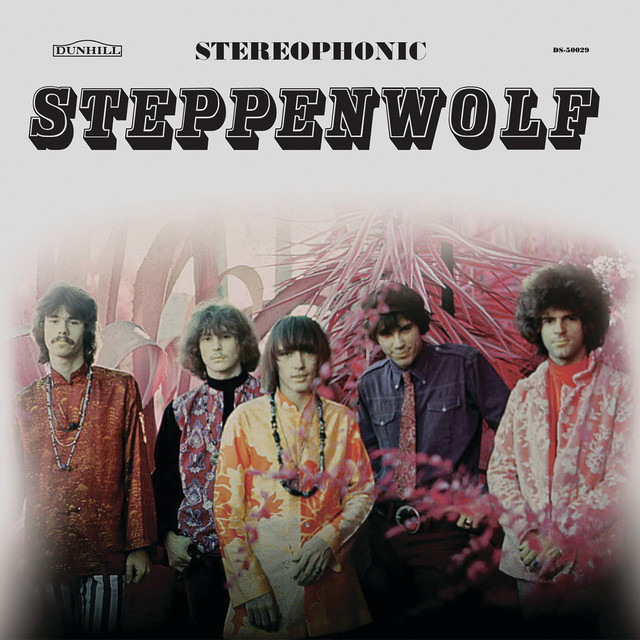
When Steppenwolf released "Born To Be Wild" in 1968, the rock landscape was already shifting. The song, penned by Mars Bonfire and included on the album Steppenwolf, was more than just another track on the radio; it became a defining anthem for a generation. Its pulsating energy and rebellious spirit encapsulated the yearning for freedom that dominated the era.
A New Kind of Rebellion
While the lyrics don’t explicitly mention motorcycles, the imagery they evoke was unmistakably tied to the burgeoning biker culture. Lines like
offered a call to adventure that resonated deeply with the youth of the 1960s. This was a time when traditional values were being challenged, and the open road symbolized a break from societal constraints."Get your motor running, head out on the highway"
Counterculture and Cinematic Impact
The song's rise was amplified by its inclusion in the 1969 film Easy Rider, a cultural landmark that crystallized the ideals of freedom and rebellion. The film’s narrative of two bikers traveling across America echoed the sentiments of the song, linking it to the larger counterculture movement. As audiences watched Peter Fonda and Dennis Hopper traverse the country, the soundtrack — led by "Born To Be Wild" — became a part of the collective conscious.
More Than Just a Rock Song
Critics at the time weren’t shy about labeling the track a “pulsating rocker,” with Billboard noting its potential to capture the hearts of a generation. But beyond the catchy riffs and driving beats, the song articulated a sense of purpose. The line
spoke to the essence of the counterculture: a return to nature, an embrace of authenticity, and a rejection of the status quo."Like a true nature's child, we were born, born to be wild"
The Legacy of 'Born To Be Wild'
Today, "Born To Be Wild" remains a staple in rock music and a symbol of freedom. Its impact is felt not just in the realm of music but in the cultural fabric of America. The song’s legacy illustrates how a simple rock anthem can embody the spirit of an entire generation, capturing the essence of rebellion and the quest for identity.
A Call to the Next Generation
The themes of freedom and self-discovery are as relevant today as they were in the 1960s. In an age where young people continue to challenge norms and fight for their beliefs, the spirit of "Born To Be Wild" endures. It serves as a reminder that the journey of self-exploration is timeless and that the open road remains a symbol of liberation.
Did you know? "Born To Be Wild" was a top 10 hit, reaching #2 on the Billboard Hot 100 chart in 1968.