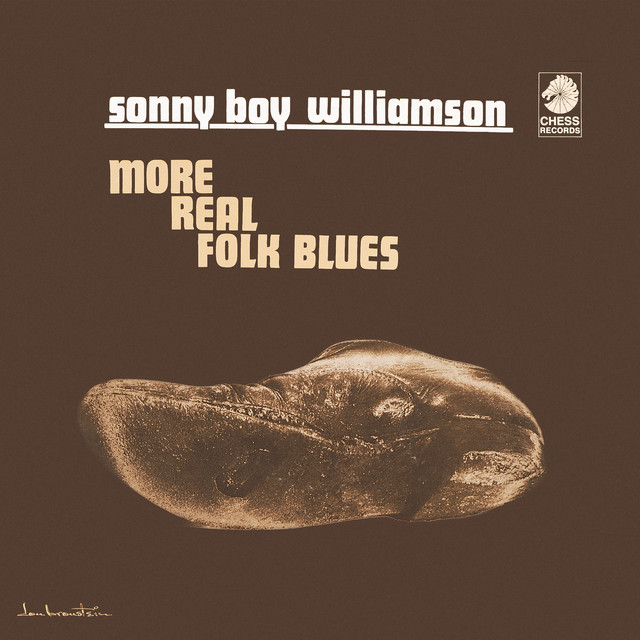
Blues in a Time of Despair
Sonny Boy Williamson II's "Help Me" stands as a haunting testament to the emotional strife that permeates the blues genre. First recorded in 1963, this mid-tempo twelve-bar blues is not just a standard; it's a vivid expression of desperation and heartache. The song captures Williamson's unique ability to channel personal pain into something universally relatable.
A Cry for Help
The opening lines of "Help Me" set a stark tone, illustrating a man on the brink. Williamson's raw vocal delivery is both inviting and sorrowful, urging listeners to feel the weight of his words. The refrain, a pleading cry for assistance, resonates with anyone who has faced love's trials. In blues, vulnerability is strength, and Williamson embodies this dichotomy perfectly.
"Help me, if you can, I'm feelin' down"
This line encapsulates the essence of the song — a direct appeal to someone who can alleviate his suffering. It's a sentiment that cuts through the layers of bravado often associated with male figures in music. Here, Williamson pulls back the curtain, revealing a man grappling with emotional turmoil.
The Musical Backdrop
Williamson, born Alex Ford, was no stranger to hardship. His life was marked by struggle, and this influenced his music profoundly. When he recorded "Help Me," he was already an established figure in the blues scene, having collaborated with legends like Elmore James on tracks like "Dust My Broom." Yet, despite his success, the shadows of his past loomed large, providing fertile ground for the pain expressed in this song.
Sonny Boy Williamson II was known for his harmonica prowess, which adds a layer of depth to "Help Me," intensifying its emotional impact.
Legacy of a Blues Standard
"Help Me" would go on to become a blues standard, covered by numerous artists, yet Williamson's original remains unmatched in its authenticity. The song's structure allows for improvisation, inviting musicians to reinterpret its message while staying true to its roots. This flexibility has ensured its place in the blues canon, one that continues to influence artists today.
A Reflection of Personal Struggles
What makes "Help Me" so impactful is its exploration of vulnerability in a genre often characterized by toughness. Williamson's plea for aid serves as a reminder that behind the bravado, there are real emotions at play. The blues, at its core, is about storytelling, and Williamson's narrative in this song is one of the most compelling.
"My woman, she left me, I can't be free"
This lyric illustrates a common blues motif — lost love. Yet, Williamson's delivery transforms a simple narrative into a profound meditation on loneliness and despair. These lines echo the experiences of countless listeners, solidifying the song's status as a timeless piece of emotional honesty.
Conclusion: The Human Experience
Sonny Boy Williamson II's "Help Me" transcends its musical composition; it's a reflection of the human experience, encapsulating the pain of heartache and the universal desire for connection. In a world where emotional expression is often stifled, Williamson’s raw honesty serves as a powerful reminder of the cathartic potential of music. The blues is not just a genre; it’s a lifeline for those navigating the tumultuous seas of emotional struggle.