The Essence of Motown's Narrative Style
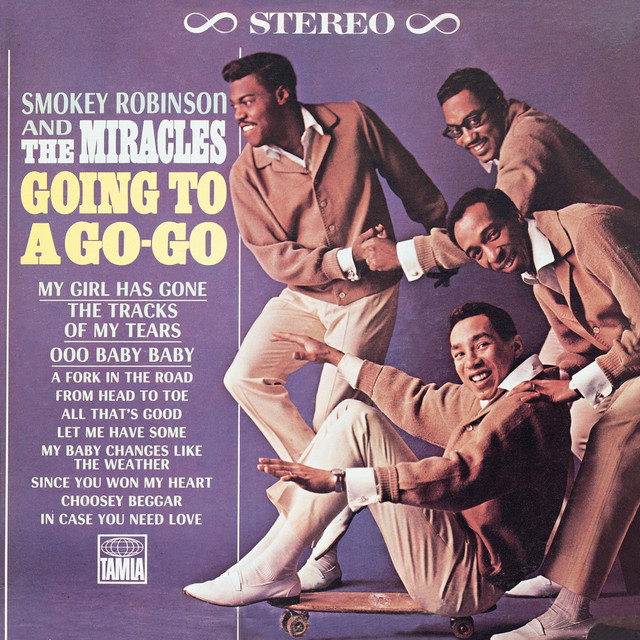
'A Fork In The Road' is a quintessential example of how Motown transformed storytelling in music. Released in 1965 on the album 'Going to a Go-Go,' this track showcases the lyrical prowess of Smokey Robinson and his band, The Miracles. Motown's emphasis on narrative-driven songs allowed artists to share relatable stories, and Robinson's work encapsulates this tradition with a profound simplicity.
Life's Decisions Through a Melodic Lens
The song addresses the universal experience of facing pivotal life choices. Robinson writes about standing at a metaphorical crossroads, weighing love against uncertainty. This theme is timeless, reflecting the emotional struggles everyone faces. Motown's storytelling often revolved around the complexity of relationships, and 'A Fork In The Road' is no exception as it illustrates the nuances of love and decision-making.
"What do I do? Which way do I turn?"
These lines encapsulate the essence of the song. The vulnerability expressed in these lyrics speaks to the heart of what makes Motown special: the ability to convey deep emotion through relatable scenarios. Robinson's smooth vocals breathe life into the lyrics, making the listener feel the weight of each choice.
Musical Elements Enhancing the Narrative
The production on 'A Fork In The Road' is characteristically Motown, featuring lush instrumentation and tight vocal harmonies. The arrangement complements the storytelling, drawing listeners in with its infectious melody. This blend of musicality and narrative has become a hallmark of Motown's sound, making its songs resonate across generations.
Smokey Robinson co-wrote 'A Fork In The Road' with bandmate Pete Moore, showcasing the collaborative spirit of The Miracles.
A Reflection of Personal and Universal Choices
While the song is rooted in personal experience, its themes of choice and consequence are universally applicable. The lyrical narrative can be interpreted in various ways, allowing listeners to project their own experiences onto the song. This fluidity is what makes Motown's storytelling so powerful; it invites introspection while also connecting with the broader human experience.
"I can’t go back, can't go back, can't go back."
In this moment, Robinson captures the essence of regret and acceptance, key elements in the storytelling tradition that Motown popularized. The acknowledgment of irreversible decisions adds depth to the narrative, showcasing Robinson's ability to convey complex emotions succinctly.
The Enduring Legacy of Motown's Storytelling
'A Fork In The Road' stands as a testament to the storytelling legacy of Motown. Smokey Robinson’s keen insights into human emotions and relationships have influenced countless artists and songwriters. The song remains a poignant reminder that music can illuminate the struggles and joys of life, encouraging listeners to reflect on their own journeys.
As we revisit classics like 'A Fork In The Road,' it's clear that Motown's narrative style has not only shaped R&B but also paved the way for future generations of artists. The ability to weave stories through song is a timeless art form, one that Smokey Robinson has mastered and continues to inspire.