Colors of the Psychedelic Era
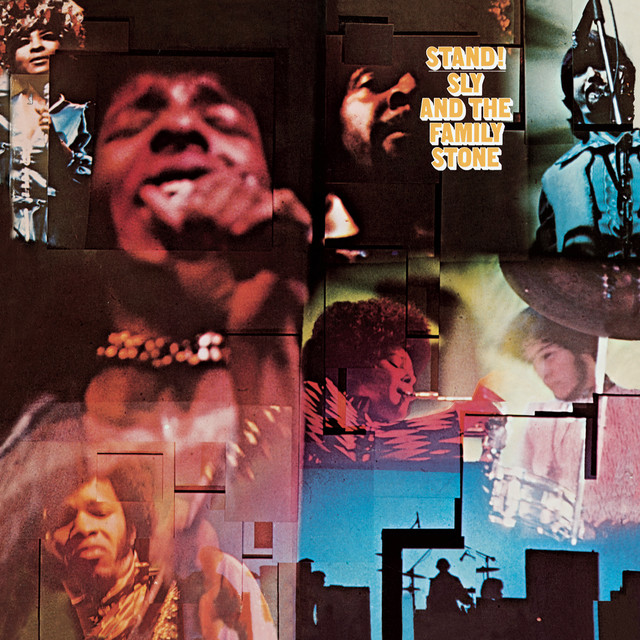
When Sly & The Family Stone released "Sing a Simple Song" in 1969, the song wasn't just another catchy tune; it was a vibrant reflection of the psychedelic culture that permeated the late 1960s. As part of their album Stand!, the track emerged during a time when music was increasingly becoming a medium for self-exploration and communal experience.
The Sound of Simplicity
The song’s infectious groove and straightforward lyrics are deceptively simple but carry a profound message. Sly Stone’s insistence on simplicity in the face of complex social issues can be seen as a direct response to the convoluted landscape of the era. The refrain,
acts as a rallying cry for joy and unity, echoing the ideals of the counterculture."Sing a simple song, oh, oh, oh!"
Communal Vibes and Collective Consciousness
Unlike the individualistic tendencies of earlier rock movements, psychedelic culture emphasized community and shared experiences. This is evident in Sly’s blending of genres—soul, funk, and rock—creating a sonic space where everyone could find themselves. The song’s upbeat tempo and call for shared participation invite listeners to join in a collective celebration.
The album Stand! was a commercial success, reaching No. 1 on the Billboard Pop Albums chart and solidifying Sly & The Family Stone's role in the music revolution of the 1960s.
The Political Underpinnings
Psychedelic culture was not just about music; it was interwoven with political activism. Sly's work often addressed societal issues, and "Sing a Simple Song" is no exception. The directness of the lyrics challenges listeners to strip away the noise and focus on what truly matters in their lives, which is particularly resonant in a time of upheaval.
Legacy of the Track
The influence of psychedelic culture on "Sing a Simple Song" extends beyond the music itself. It set a precedent for future artists to embrace simplicity as a form of resistance against the complexities of life. The song remains a timeless reminder that sometimes, the most impactful messages come from the simplest expressions.