The Birth of Chaos
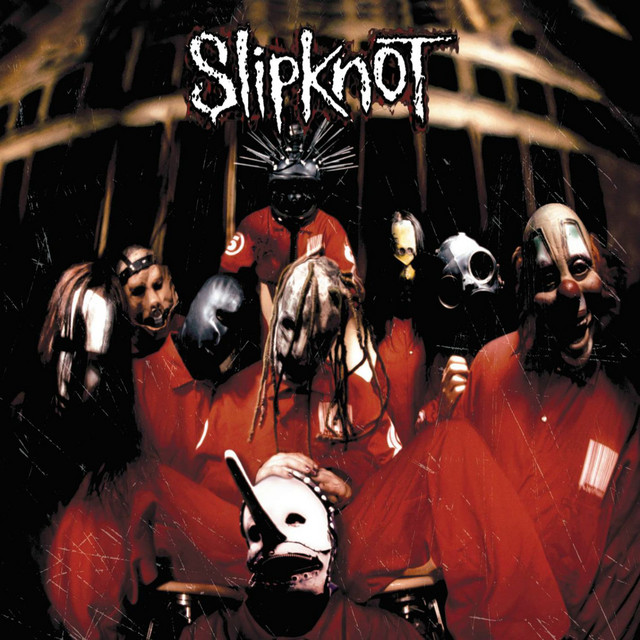
When Slipknot unleashed their self-titled debut album in 1999, it was like a sonic explosion that shattered the complacency of the late '90s metal scene. The lead single, "Wait and Bleed," stands out not just for its brutal intensity but for its unexpected melodic undertones. This duality reflects the band's struggle with inner demons, making it a compelling entry point into their psychological landscape.
A Melodic Facade
While many viewed the album as a "terrifying racket," as noted by critics, "Wait and Bleed" carved a niche by introducing melody amidst the chaos. The track opens with a haunting guitar riff that draws listeners in, only to be met with Corey Taylor's visceral screams. This interplay between melody and aggression mirrors the tumultuous state of mind that Taylor often explores in his lyrics.
The Struggle Within
At its core, "Wait and Bleed" is a reflection of existential dread. The lyrics grapple with themes of anxiety and isolation, encapsulated in the line,
. This visceral eruption of emotion speaks to the fight against internal turmoil, a battle that many face but few express so starkly. The song encapsulates a moment of clarity amidst the chaos—an acknowledgment of pain that resonates with anyone who has felt overwhelmed."I felt the hate rise up in me"
The Weight of Time
The title itself, "Wait and Bleed," suggests a patient endurance of suffering. There’s an unsettling sense of inevitability in the lyrics as they navigate through feelings of despair and frustration. The chorus, with its anthemic quality, invites listeners to join in this cathartic release, making it a staple in live performances that evoke shared experiences of struggle.
Musical Complexity
Produced by Ross Robinson, who was instrumental in shaping the sound of the nu-metal genre, the track showcases Slipknot's ability to blend genres. Elements of metalcore, alternative rock, and even hints of hardcore punk converge in a way that feels both chaotic and deliberate. In this track, the band demonstrates that heaviness does not preclude melody; rather, it amplifies emotional expression.
Context in the Album
Within the broader context of the self-titled album, "Wait and Bleed" serves as a critical moment of introspection. Surrounded by tracks like "Surfacing," which leans heavily into aggressive instrumentation, this single offers a necessary pause—a moment where the listener can confront their own vulnerabilities. It’s a reminder that even within the heaviest of sounds, there exists a haunting beauty.
Legacy of Emotion
As Slipknot continues to evolve, "Wait and Bleed" remains a cornerstone of their discography. The song's ability to articulate the fragility of the human psyche has allowed it to transcend the typical boundaries of metal. It’s not just a song; it’s an exploration of pain, resilience, and the complexity of emotions.
Slipknot's self-titled debut album was a pivotal moment in the nu-metal movement, influencing countless bands and redefining heavy music.
Conclusion: A Testament to Survival
In "Wait and Bleed," Slipknot captures the essence of battling internal chaos. The song remains a powerful anthem for those who grapple with their own emotional struggles, proving that in the depths of despair, there is a pathway to healing through expression. The psychological journey behind this track not only defines its legacy but also solidifies Slipknot's place in music history as purveyors of both chaos and catharsis.