The Masks We Wear
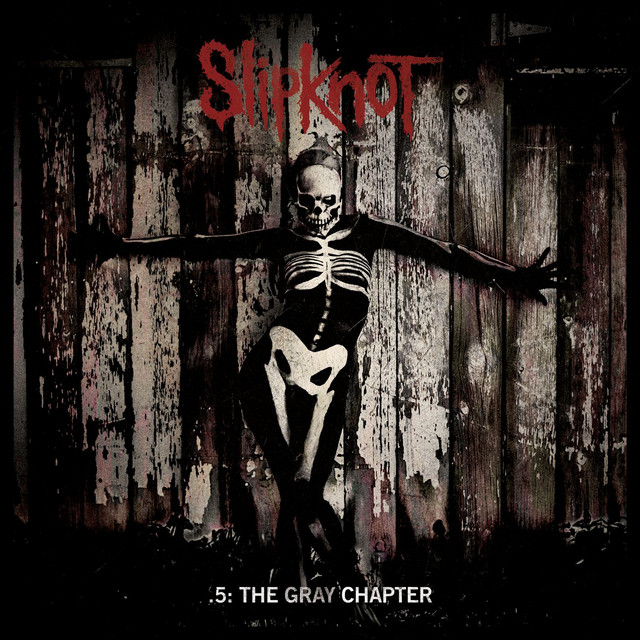
In Slipknot's discography, masks are not just a gimmick; they are a profound exploration of identity and transformation. Released on August 26, 2014, as the second single from their fifth studio album, .5: The Gray Chapter, "The Devil in I" employs these masks to navigate the complex interplay between the self and the personas we adopt.
The song opens with a chilling atmosphere, underscored by heavy instrumentals that mirror the weight of personal demons. The masks act as a barrier, a way for the band members to express what lies beneath the surface without revealing their true selves. This theme is prevalent throughout Slipknot's work, but in "The Devil in I," it reaches a new level of introspection.
Confrontation with the Self
The lyrics serve as a confrontation with one’s inner struggles. The line,
emphasizes a sense of helplessness against one's internal chaos. Here, the mask symbolizes not only a shield against the world but also a representation of the pain that one carries."I can't stop the bleeding, I can't stop the bleeding"
As the song progresses, the masks take on a dual role, reflecting both the darkness within and the desire to confront it. The visceral intensity of the music complements the lyrical content, creating a vivid picture of the battle between the self and the devil within.
Identity as a Performance
Slipknot's use of masks is a commentary on identity as a performance. Each member's mask tells a story, a reflection of their struggles and experiences. In "The Devil in I," the line
underscores the disconnect between individuals, reinforcing that everyone wears their own mask, often hiding their true selves from others."You can’t see my life, I can't see your life"
This theme is particularly relevant in today's society, where social media and public personas often overshadow authentic interactions. Slipknot invites listeners to consider what lies beneath the surface of their own identities. The masks, rather than merely being a visual spectacle, are a call to examine the facades we construct.
A New Era of Slipknot
"The Devil in I" marks a significant moment in Slipknot's evolution. Following the tragic loss of bassist Paul Gray, the band faced an intense period of reflection, which is palpable throughout the album. The masks evolve from being simply a performance tool to embodying grief, loss, and the search for redemption.
Slipknot's fifth studio album, .5: The Gray Chapter, is a tribute to their late bassist Paul Gray, reflecting themes of loss and rebirth.
The raw emotion inherent in "The Devil in I" is a testament to the band's ability to transform pain into art. The masks, once a means of disguise, become symbols of resilience. The line
encapsulates this struggle, acknowledging that the greatest battles often lie within."I am my own worst enemy"
Conclusion: The Liberation of the Mask
Ultimately, "The Devil in I" presents the mask as a tool for liberation rather than confinement. By confronting their demons through their music, Slipknot encourages listeners to confront their own identities. The masks that once shielded them from the world become a means to connect with their true selves.
As Slipknot continues to evolve, the masks remain an integral part of their identity, offering a profound commentary on the human experience. In a world where the self is often obscured by expectations, "The Devil in I" reminds us of the power of self-acceptance and the importance of facing the darkness that resides within.