The Weight of Internal Conflict
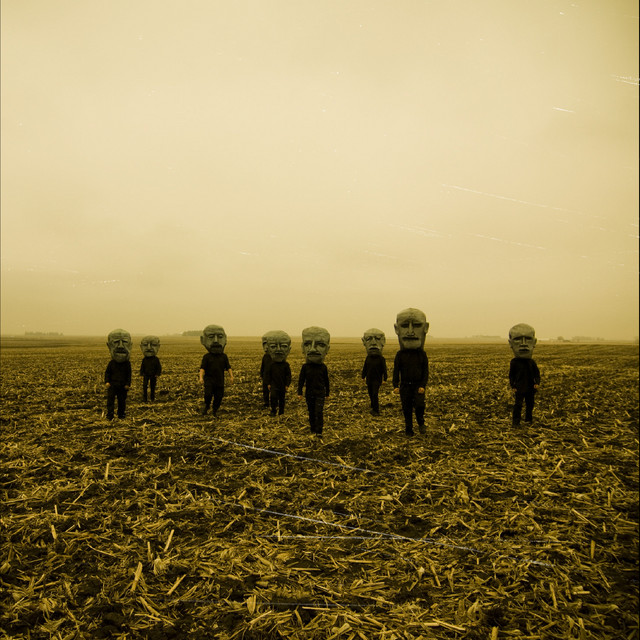
Released as the second single from their fourth studio album, All Hope Is Gone (2008), "Psychosocial" stands out as an anthem of disarray and emotional confrontation. At a time when Slipknot was grappling with both personal and professional turmoil, this track delves into the chaotic minds of its members, capturing the essence of their struggles with identity and mental health.
A Reflection of Chaos
The song's aggressive instrumentation mirrors the chaos of its lyrics. The pounding drums and slashing guitars create a soundscape that feels suffocating yet exhilarating, perfectly reflecting the internal battles the band members were facing. The lyrics hint at a fractured psyche, with lines that seem to scream for understanding amidst a storm of confusion.
"I did my time and I want out"
This opening line sets the tone for the entire track, suggesting a desire to escape from the burdens of existence. It’s a sentiment that resonates with anyone who has felt trapped by their own circumstances. For Slipknot, this was a pivotal moment as they transitioned from the chaos of their earlier work to a more introspective phase.
Contextualizing the Turmoil
By the time All Hope Is Gone was released, Slipknot was not just a band but a phenomenon. Yet, the pressure was immense. The members were battling personal demons—issues of addiction, depression, and the weight of fame. "Psychosocial" reflects this struggle head-on, allowing listeners to peer into the darker corners of their minds.
Lyrics that Cut Deep
As the song progresses, the lyrics shift between themes of alienation and a desperate need for connection. The raw honesty in lines like:
"I’m not the one who’s so far away"
serves as a poignant reminder of the isolation that can accompany fame and success. The feeling of disconnect is palpable, illustrating how even in a crowded room, one can still feel utterly alone.
The Power of Community
The bridge of "Psychosocial" invites listeners into a communal experience, urging them to confront their own struggles. The repeated refrain acts as a rallying cry, transforming the internal conflict into a shared experience. In many ways, Slipknot has always thrived on this idea of community—the idea that through shared pain, healing can begin.
Slipknot's All Hope Is Gone debuted at No. 1 on the Billboard 200, marking a high point in their career.
Evolution of Sound and Emotion
Musically, "Psychosocial" marks a significant evolution for Slipknot. The blend of melodic elements with their signature heavy sound showcases a maturity that was developing within the band. They were no longer just focused on shock value; they were diving deep into the emotional core of their experiences.
Legacy of 'Psychosocial'
Years later, "Psychosocial" remains a staple in Slipknot's live performances, a testament to its enduring power. The song has become a symbol of not just personal struggle but also resilience. Fans connect with the raw energy and unfiltered honesty, finding solace in the cathartic release it provides.
Ultimately, "Psychosocial" is more than just a song; it’s a mirror reflecting the complexities of the human condition, particularly in times of adversity. It encapsulates not just the internal struggles of Slipknot but also the universal battle many face within themselves.