A Story of Consequences
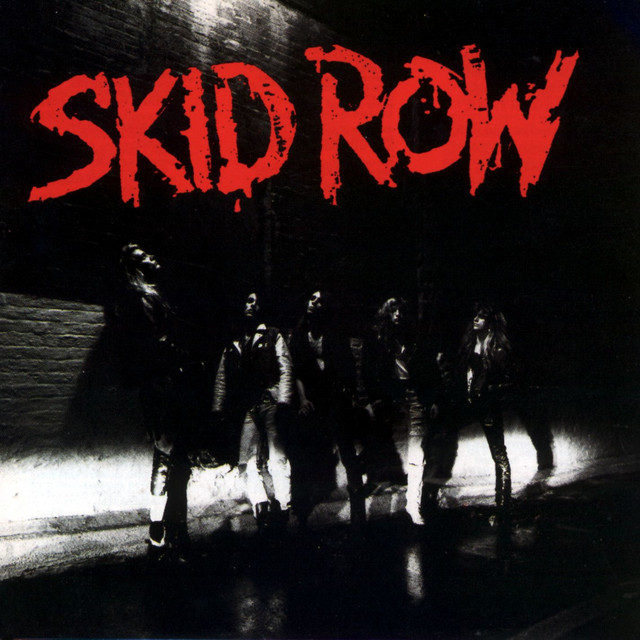
Released in June 1989 as the second single from their self-titled debut album, Skid Row's "18 and Life" delivers a raw narrative that resonates with the struggles of youth in the face of overwhelming consequences. The song tells the harrowing story of a young man, Ricky, who is caught in a web of violence and poor choices, resulting in a life sentence before he even reaches adulthood.
With lines like
, the listener is thrust into a world where innocence meets a stark reality. The imagery is vivid, painting a portrait of a troubled youth whose decisions are shaped by external pressures and internal demons."Ricky was a young boy, he had a heart of stone"
The Role of Heavy Metal in Youth Culture
Skid Row emerged during a period where heavy metal was not just a genre, but a voice for the disillusioned youth. The late '80s saw a rise in music that tackled themes of rebellion and social issues, and "18 and Life" fits perfectly within that context. The band, produced by Michael Wagener, managed to blend hard-hitting guitar riffs with a narrative that demanded attention, making it a staple in the genre.
The song's impact extends beyond the airwaves; it became an anthem for those grappling with their choices, an acknowledgment that actions have consequences. The phrase
serves as a reminder of accountability, a message that resonates with teenagers and young adults navigating their formative years."You can’t take back what you’ve done"
Accountability in the Lyrics
What makes "18 and Life" particularly compelling is its unflinching look at the idea of accountability. The narrative doesn’t shy away from the repercussions of Ricky's actions. Instead, it lays bare the reality that life isn't a series of do-overs; it’s a one-way street. This thematic exploration is crucial for youth culture, as it encourages listeners to reflect on their own paths.
The song does not glorify violence or reckless behavior; rather, it presents a cautionary tale that is relevant across generations. Young people often feel invincible, but Skid Row’s portrayal of Ricky illustrates that the choices made in youth can define one’s future. It's a stark warning wrapped in an unforgettable melody.
A Lasting Legacy
The legacy of "18 and Life" is evident in its continued relevance. As youth continue to face the pressures of society, the song serves as a reminder of the importance of making informed decisions. Its message transcends the confines of heavy metal, echoing in various genres and cultural discussions around responsibility.
Moreover, it has inspired countless artists to explore similar themes, demonstrating that music can be a powerful tool for reflection. In an age where accountability often feels like a lost art, songs like this push for a return to personal responsibility.
Fun fact: "18 and Life" reached No. 4 on the Billboard Hot 100, showcasing the mainstream appeal of its serious message.
Conclusion: More Relevant Than Ever
As we reflect on the impact of Skid Row's "18 and Life," it's clear that the song is more than just a heavy metal classic; it’s a crucial conversation starter about the importance of accountability. In a world where young people are constantly bombarded with choices, the haunting narrative of Ricky serves as a vital reminder that every action carries weight.
Ultimately, Skid Row's powerful storytelling not only entertains but also educates, ensuring that the lessons of "18 and Life" remain ingrained in youth culture for years to come.