A Bold Statement in Hip-Hop
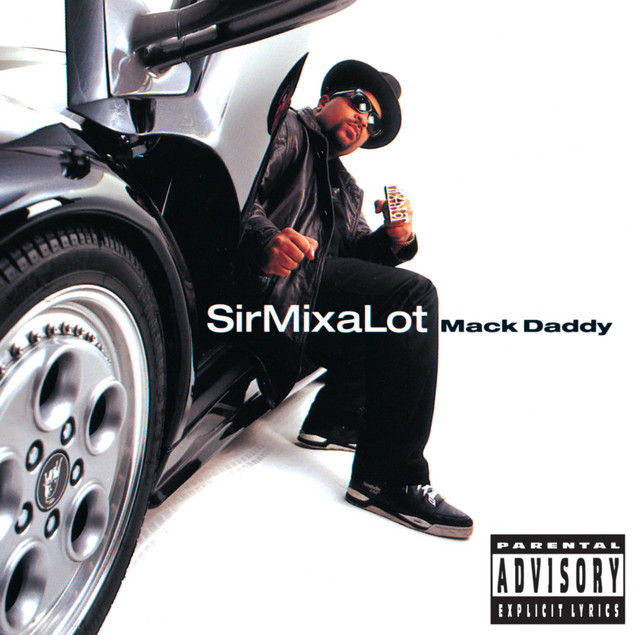
Released in 1992 on the album Mack Daddy, Sir Mix-A-Lot's "One Time's Got No Case" stands out as a stark critique of law enforcement practices. Long before the current wave of protests and calls for police reform, Mix-A-Lot was vocal about the racial injustices and systemic issues facing communities of color.
The song is a powerful narrative against police harassment, with lyrics that expose the often brutal realities of interactions between law enforcement and Black individuals. It’s a raw, unfiltered reflection of frustration—a sentiment that echoes today as activists demand accountability and transparency from police forces nationwide.
Lyrics That Challenge Authority
Mix-A-Lot's incisive lyrics lay bare the absurdities of police misconduct. Lines like
suggest a defiance in the face of oppression, a theme that resonates with many who have faced similar situations in real life. He calls out the futility of police actions that are often based on unfounded assumptions, highlighting a deep-seated mistrust that has persisted for decades."You can stop me, but I won't lose my face"
The rhythmic delivery and confident bravado characteristic of Sir Mix-A-Lot infuse the song with urgency. It wasn’t just about the beat; it was about asserting a narrative that needed to be heard. This is significant not just in the context of hip-hop but within the broader cultural dialogue surrounding race and law enforcement.
A Reflection of the Times
When "One Time's Got No Case" was released, the United States was grappling with its own tumultuous relationship with policing, albeit in a different era. The Rodney King incident was still fresh in the public consciousness, and the music of the time reflected the anger and frustrations of marginalized communities. Mix-A-Lot’s track contributes to this historical narrative, positioning him as a precursor to the voices that would rise during the Black Lives Matter movement.
Interestingly, Sir Mix-A-Lot is often primarily remembered for his hit "Baby Got Back," but "One Time's Got No Case" showcases his range as a socially conscious artist.
Impact on Police Reform Dialogue
Fast forward to today, and the themes in "One Time's Got No Case" have only gained relevance. The song serves as a rallying cry for those advocating for police reform—its essence captured in the way it addresses systemic issues head-on. The lyrics resonate with the frustrations voiced during protests, making the song feel like an anthem of sorts for social justice movements.
As cities across the nation reconsider policing strategies, Sir Mix-A-Lot's commentary reminds us that the conversation around police reform is not new. It’s an ongoing struggle that continues to evolve as society grapples with issues of race, power, and accountability.
A Legacy of Resistance
Sir Mix-A-Lot's impact extends beyond catchy hooks; he is part of a lineage of artists who use their platform for advocacy. "One Time's Got No Case" is not just an artifact of its time but a relevant piece of art that encourages listeners to reflect on their own experiences with authority. This song is a reminder that hip-hop has always been a vehicle for social commentary—one that can drive change.
The dialogue around police reform is complex, but tracks like this provide a crucial perspective. They challenge listeners to confront uncomfortable truths and inspire action, proving that music can indeed spark meaningful conversations.