Silence Amidst the Chaos
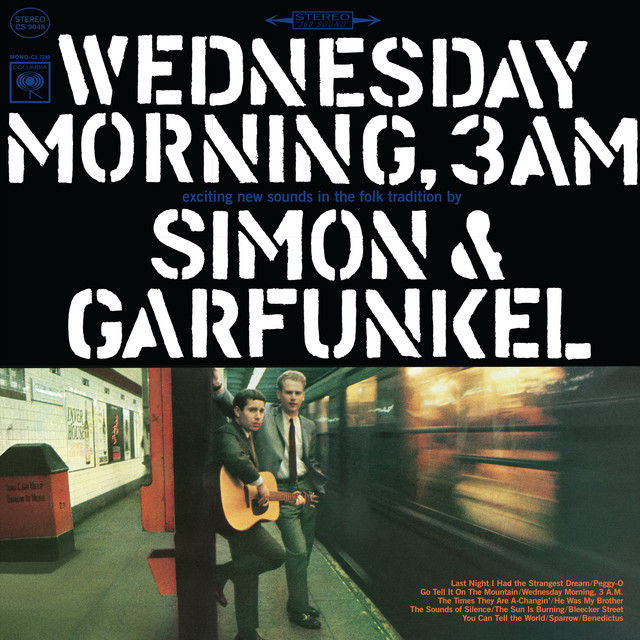
In an era marked by social upheaval and cultural shifts, Simon & Garfunkel's "The Sound of Silence" stands as a haunting reflection of 1960s America. Released in 1964 as part of their debut album, "Wednesday Morning, 3 A.M.", and later reimagined in the 1966 album "Sounds of Silence", the acoustic version strips the song to its core, emphasizing the powerful role of silence in a world grappling with alienation and unrest.
Silence as a Theme
The song begins with the stark imagery of darkness, evoking feelings of isolation:
This line not only introduces the listener to an intimate dialogue with silence but also suggests a deep-seated comfort found in solitude, a counterpoint to the chaos around. The 1960s were rife with political strife, civil rights movements, and the Vietnam War, prompting many to seek solace in introspection."Hello darkness, my old friend, I've come to talk with you again."
The Acoustic Arrangement's Impact
The acoustic arrangement enhances this theme. Stripped of the original's layered instrumentation, the focus is placed on the lyrics and the harmonies of Simon & Garfunkel. The gentle strumming of the guitar creates a sense of stillness, mirroring the silence that permeates the lyrics. It’s a stark contrast to the louder, more aggressive sounds of the era, which often drowned out the voices of those seeking change.
A Reflection of Societal Disconnection
As the song progresses, the silence transforms from a personal refuge to a societal commentary. Lyrics about the inability to communicate, such as
highlight a broader disconnection within society. This reflects the generational gap of the 1960s, where young people felt alienated from the older generations who often ignored their cries for change."People talking without speaking, people hearing without listening,"
Silence as a Call to Action
Yet, within this silence lies a call to awareness. The song's climax, where the singer laments,
suggests that despite the overwhelming quiet, there exists a powerful vision for a more connected world. It’s a reminder that silence can be both oppressive and liberating, a duality that echoed through the turbulent decade."And the vision that was planted in my brain still remains, within the sound of silence,"
Reception and Legacy
The acoustic version of "The Sound of Silence" became a cultural touchstone, resonating with those disillusioned by the status quo. Its success redefined how folk music could address complex social issues. The song's haunting melody and poignant lyrics transcended its time, continuing to find relevance in today's political landscape, where silence is often a complicity in the face of injustice.
Interesting fact: "The Sound of Silence" was initially a commercial failure, but after being re-released with a full electric arrangement in 1965, it topped the charts.
Conclusion: Silence Speaks Volumes
Ultimately, Simon & Garfunkel's "The Sound of Silence" serves as a profound commentary on the human condition during a time of significant change. Its exploration of silence—both personal and societal—encourages listeners to reflect on their own experiences of alienation and the importance of communication. In a world still rife with noise, the echoes of silence in this classic remain as relevant as ever.