The Soundtrack of Disillusionment
When Simon & Garfunkel's "Mrs. Robinson" was released in 1968, it wasn't merely a song; it became an anthem for a generation grappling with disillusionment. Nestled within the iconic film 'The Graduate,' directed by Mike Nichols, the track encapsulated the feelings of young Americans questioning their future in a rapidly changing world. The film's protagonist, Benjamin Braddock, played by Dustin Hoffman, embodies this struggle, caught between societal expectations and personal desires.
Lyrics that Echoed the Times
The song's opening lines, which reference Mrs. Robinson's lost ideals, connect deeply with the disillusionment felt by many. The line
serves as a poignant reminder of faith and the search for meaning amid chaos. This line is not just about a character; it reflects a broader societal yearning for connection in a world filled with uncertainty."Here's to you, Mrs. Robinson, / Jesus loves you more than you will know"
A Cultural Phenomenon
Released as part of the soundtrack for 'The Graduate,' the song became inextricably linked to the film's themes of alienation and the quest for identity. Simon & Garfunkel, with their harmonious vocals and folk-rock sensibilities, provided the perfect backdrop to Benjamin's existential crisis. The duo’s ability to weave personal storytelling with broader social commentary is what made their music resonate during this turbulent period.
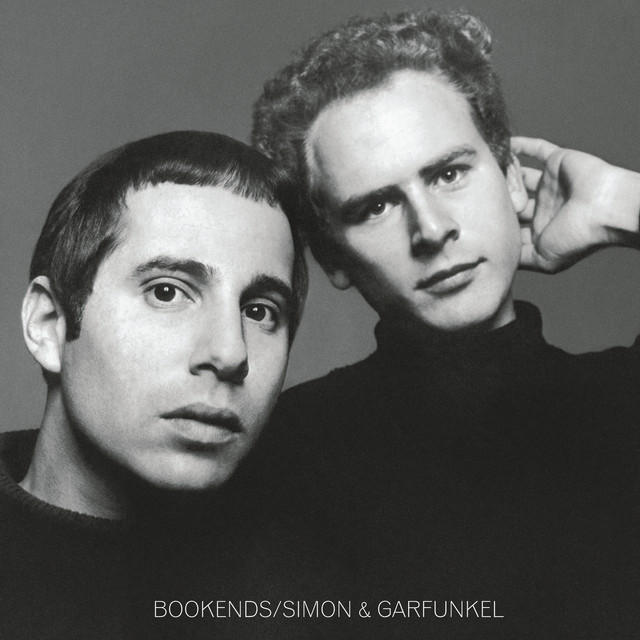
Did you know? 'Mrs. Robinson' was initially written for the film but later became part of Simon & Garfunkel's fourth studio album, Bookends, released in 1968.
Legacy in Pop Culture
The influence of "Mrs. Robinson" stretches beyond the confines of cinema and music. It has seeped into the fabric of American pop culture, referenced in countless films, television shows, and even political discourse. The phrase itself has become synonymous with a certain kind of nostalgia and critique of the American Dream. This cultural significance is cemented by the song's inclusion in various media, ensuring its place in the collective consciousness.
Musical Composition and Production
Musically, the simplicity of "Mrs. Robinson" is deceptive. The song features gentle guitar strumming, coupled with lush harmonies that create a sense of intimacy. Produced by Dave Grusin, the track employs a minimalist approach, allowing the poignant lyrics to take center stage. This choice reflects the raw emotions of the era, drawing listeners into a shared experience of uncertainty.
Reflection of a Changing America
As America moved into the late 1960s, the themes of rebellion and questioning authority became more pronounced. "Mrs. Robinson" speaks to this, as it addresses not only the personal struggles of its characters but also the collective angst of a generation. The lyrics serve as a critique of complacency and societal norms, inviting listeners to reflect on their own lives.
A Timeless Message
Today, "Mrs. Robinson" remains relevant, continuing to inspire new generations. The song's exploration of identity, disillusionment, and the quest for meaning resonates with contemporary audiences just as it did over half a century ago. The legacy of both the song and the film is a testament to the power of art in reflecting and shaping societal values.
Conclusion
In the end, "Mrs. Robinson" is more than just a song from a film; it is a cultural touchstone that mirrors the complexities of American life. Its enduring appeal lies in its ability to articulate the struggles of finding one's place in an often indifferent world. Simon & Garfunkel crafted a masterpiece that not only captured the spirit of the times but continues to influence and inspire, solidifying its status as a classic.