The Ballad Tradition
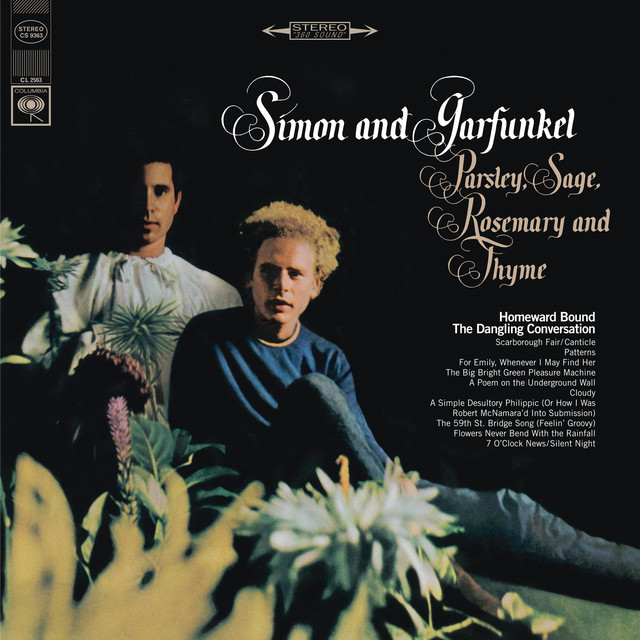
Simon & Garfunkel's "Homeward Bound" stands as a poignant hallmark of the 1960s, capturing the essence of longing and nostalgia. Released as a single on January 19, 1966, it was part of their album Parsley, Sage, Rosemary and Thyme, produced by the duo alongside the legendary Bob Johnston. Yet, beneath its polished harmonies lies a connection to the raw, emotive storytelling of traditional folk ballads.
Melancholy and Journey
At its core, "Homeward Bound" embodies the archetypal journey found in folk music. The song's narrator expresses a yearning for home, a theme prevalent in ballads like "The Water Is Wide" or "The House of the Rising Sun." Here, the protagonist is not merely traveling; he is navigating the emotional landscape of separation and solitude.
"I'm sittin' in the railway station, got a ticket for my destination"
This line captures the essence of a folk ballad: the traveler is in transit, both physically and emotionally. Folk music traditionally tells the stories of ordinary people facing life’s trials, often highlighting their struggles and aspirations. In this case, the railway station symbolizes a crossroads, reflecting the universal desire to return to a place of safety and belonging.
Storytelling Through Simplicity
Folk ballads thrive on simplicity, a quality that Simon & Garfunkel embrace in their composition. The duo's ability to weave vivid imagery into their lyrics mirrors the storytelling techniques of folk tradition. The refrain, which repeatedly invokes the notion of heading home, reinforces this emotional pull.
"Homeward bound, I wish I was"
Such a line strips away complexity, echoing the straightforwardness of folk music. This directness invites listeners into the narrative, allowing them to project their own experiences onto the song. The nostalgia here is palpable, much like that found in the verses of time-honored ballads.
Musical Influences
The arrangement of "Homeward Bound" also reflects folk influences, with its acoustic foundation and gentle harmonies. The duo's use of guitar and soft vocal layering evokes the feel of folk music, which often centers around the simplicity of the human experience. The gentle strumming complements the lyrical themes, creating an inviting soundscape that feels both familiar and deeply personal.
Interestingly, Paul Simon penned the song while waiting for a train at Widnes railway station in England, adding a layer of authenticity to its themes of longing and travel.
Connection with the Audience
Folk ballads have always been about community and connection, often performed in a communal setting where listeners share in the experience. Similarly, "Homeward Bound" invites listeners to reflect on their own lives, creating a shared sense of longing for home. The emotional weight of the song transcends its era, striking a chord with anyone who has ever felt adrift.
Legacy of Homeward Bound
As "Homeward Bound" continues to resonate with audiences today, its ties to folk tradition remain a vital aspect of its power. The song encapsulates the essence of what it means to be human — to seek comfort, to yearn for home, and to reflect on one’s journey. In this light, Simon & Garfunkel don’t just create music; they tap into a timeless narrative that connects generations.