The Heart of Greenwich Village
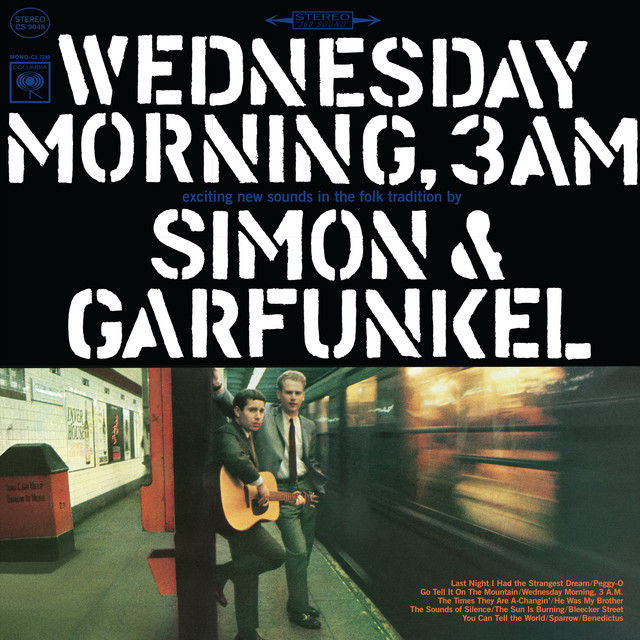
Bleecker Street is more than just an east-west street in Lower Manhattan; it was the pulse of the 1960s folk revival. Often associated with legendary venues like The Bitter End and Café Wha?, this street embodied a creative renaissance. Simon & Garfunkel's song "Bleecker Street," from their 1964 debut album *Wednesday Morning, 3 A.M.*, captures this essence, but it also pays homage to the forgotten artists who paved the way.
Influences in the Shadows
Before Simon & Garfunkel became household names, they were influenced by the likes of Dave Van Ronk, a pivotal figure in the Greenwich Village folk scene. Van Ronk's gritty interpretations of traditional folk songs and his own originals created a musical backdrop for up-and-coming artists. His rendition of “House of the Rising Sun” predates The Animals’ hit version, showcasing his raw, emotive style.
"Bleecker Street, the place where I was lost, and found"
This line reflects not only the personal journeys many artists experienced on Bleecker Street but also the community of musicians who thrived there. Van Ronk’s influence can be felt in Simon & Garfunkel's harmonies, which are both plaintive and hopeful, a signature of the era.
More than Just Folk
The musical landscape of Bleecker Street was not confined to folk. Artists like Odetta, often referred to as the "Queen of American Folk Music," and the eclectic sounds of Bob Dylan expanded the genre’s boundaries. Odetta’s powerful voice and social consciousness inspired many, including a young Dylan, who later claimed she was the reason he became a folk musician.
Did you know? Odetta performed at the 1963 March on Washington, bringing attention to civil rights issues through her music.
Dylan’s arrival in Greenwich Village marked a shift towards a more complex and poetic approach to songwriting. His influence is palpable in the introspective lyrics of "Bleecker Street," as Simon & Garfunkel explore themes of loneliness and existential searching.
Creating a Community
Beyond individual artists, the synergy of the Bleecker Street scene fostered a unique community. Musicians often collaborated, creating an environment rich in experimentation and innovation. The folk music revival was not just about the music; it was about a shared experience. The line between artist and audience blurred, as venues became sanctuaries for those seeking connection.
"The leaves are all brown, and the sky is gray"
This imagery in "Bleecker Street" evokes a sense of melancholia that pervaded the era. It speaks to the artists who felt the weight of societal issues yet found solace in their craft. The song captures a specific moment in time—one that was shaped by countless influences and struggles.
Legacy and Recognition
Today, many of the original voices from Bleecker Street are often overlooked. While Simon & Garfunkel bask in the glow of their iconic status, artists like Dave Van Ronk and Odetta deserve equal recognition. Their contributions were foundational, serving as stepping stones for future generations of musicians.
Interesting fact: Dave Van Ronk's autobiography, *The Mayor of MacDougal Street*, offers a vivid account of the Greenwich Village scene and its characters.
As we revisit "Bleecker Street," it is essential to acknowledge the myriad influences that shaped its sound. The street was more than a backdrop; it was a breeding ground for ideas, creativity, and social change—elements that are ever-relevant today.
A Call to Remember
In an age where nostalgia often glosses over the complexity of history, it’s crucial to remember those who inspired the legends. The forgotten artists of Bleecker Street shaped not just the music of Simon & Garfunkel but the very fabric of American folk music. Their stories deserve to be told and celebrated, ensuring that the spirit of Bleecker Street lives on.