Emotional Seasons in a Timeless Folk Classic
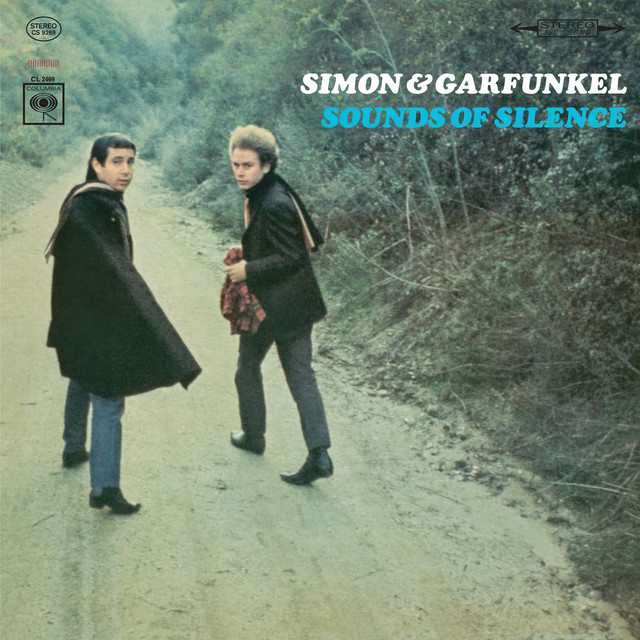
Simon & Garfunkel's "April Come She Will" stands out as a serene yet somber reflection on the passage of time and the inevitable cycles of life. Featured on their second studio album, Sounds of Silence (1966), this track encapsulates a delicate blend of folk sensibility and lyrical depth.
Written by Paul Simon, the song's simplicity is both its strength and its emotional weight. It unfolds like a gentle breeze, leading the listener through a cycle of seasons that mirror the experiences of love and loss. As each month passes, the song evokes a sense of nostalgia and yearning, reminding us of the transient nature of relationships.
April: A Symbol of Renewal and Loss
The title itself, "April Come She Will," introduces the first of the months, suggesting renewal but also the fragility of beginnings. April is often associated with spring, the promise of new life, and yet Simon's lyrics hint at an underlying sadness. The cycle begins with hope but quickly shifts to the inevitability of change.
"April, come she will / When streams are ripe and swelled with rain"
These opening lines encapsulate the essence of April: a time of growth and potential. However, the imagery of swelling streams also evokes a sense of overwhelming emotions, hinting at the tumultuous nature of love. Simon captures this duality with understated elegance.
May's Promise and Heartbreak
As the song progresses into May, the narrative shifts. May symbolizes both blossoming love and the fleeting nature of relationships. The transition from April to May feels seamless yet poignant, as the listener is reminded that beauty is often short-lived.
"She will stay, looking at the sky"
This line emphasizes a moment of stillness amidst chaos, as if to suggest that even in the most beautiful moments, there is an awareness of their impermanence. The imagery of gazing at the sky evokes a sense of longing, a desire to pause time and hold on to fleeting happiness.
June: The Bitter Bite of Reality
June arrives with its own set of connotations; it often embodies the peak of summer, representing warmth and joy. Yet in the context of the song, June feels like a bittersweet reminder that love can also bring pain.
"June, she changes her mind"
This line poignantly illustrates the unpredictability of relationships. Just as the months change, so do feelings and allegiances. The warmth of June can turn cold, underscoring the fragility of love. Simon's lyrics cradle the listener in a painful truth: love is not just about the highs but also the lows.
July and August: The Weight of Absence
As the song moves into July and August, the mood darkens. These months are laden with the weight of absence and loss. Simon's choice to include these months suggests that the emotional aftermath of love lingers long after the joy has faded.
"July, she will fly away"
This line starkly reveals the inevitability of separation. The imagery of flight suggests an escape from emotional turmoil, a desire to break free from the bonds of heartache. In this moment, the listener feels the profound sorrow of unfulfilled love.
Final Thoughts: A Cycle of Emotions
Ultimately, "April Come She Will" serves as a meditation on the cyclical nature of life and love. Each month reflects a different stage in the emotional journey, capturing the essence of joy and sorrow intertwined. This song is not just an exploration of the seasons; it is an exploration of the seasons within ourselves.
Interestingly, this song was part of a broader collection of works by Simon & Garfunkel featured in the 1967 film The Graduate.
In a world that often seeks to ignore the inevitability of change, Simon & Garfunkel remind us to embrace the seasons of our hearts, acknowledging that with every new beginning comes the potential for loss.