Characters as Mirrors of American Identity
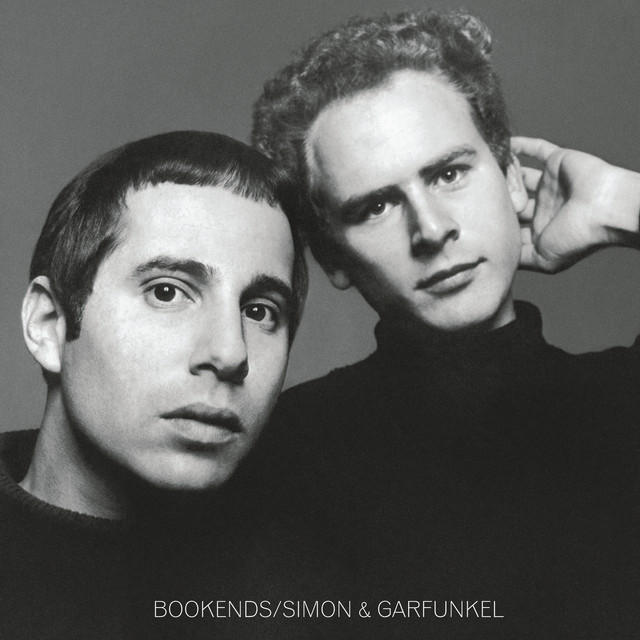
Simon & Garfunkel's "America" from their 1968 album Bookends captures a moment in time that is both specific and universal. The song's characters, a young couple searching for meaning, are emblematic of a generation grappling with the ideals of the American dream amid the tumult of the late 1960s.
At the heart of the narrative is the unnamed female character, who embodies both hope and disillusionment. Her journey across the American landscape alongside her male companion symbolizes the quest for self-discovery, a common theme in the era's counterculture. As they traverse the highways, the couple becomes a representation of a broader search for identity in an increasingly fractured society.
The Symbolism of Their Journey
The lyrics transport listeners to a time when the freedom of the open road promised adventure yet also concealed the stark realities of life. The repeated phrase,
serves as a poignant reminder of the emotional and physical dislocation felt by many during this period. It raises questions about the very nature of fulfillment and the sacrifices made in pursuit of it."Kathy, I'm lost,"
In a way, Kathy represents the idealized version of America—a land of opportunity and exploration. Yet, as the song unfolds, it becomes clear that this ideal is fraught with challenges. The juxtaposition of hope and despair is particularly evident in the line,
as it reflects the collective yearning of a generation seeking purpose amidst chaos."They've all come to look for America,"
Urban vs. Rural: A Cultural Commentary
Simon & Garfunkel's choice to incorporate urban imagery alongside references to the pastoral landscape serves as a commentary on the cultural divide in America. The couple's journey traverses both cityscapes and open fields, highlighting the tension between the hustle of urban life and the simplicity of rural existence. This duality mirrors the broader societal conflicts of the time, where the allure of progress often stood in stark contrast to the longing for a return to simpler values.
Interesting fact: "America" was produced by the duo themselves, showcasing their commitment to creative control and artistic integrity.
Hope and Disillusionment
The emotional weight of "America" lies in its ability to encapsulate the complexity of human experience. The characters' journey reflects not only the search for a physical destination but also a deeper quest for connection and belonging. The line,
resonates as a cry for understanding in a world that often feels isolating."All my poor, poor heart,"
This theme of disillusionment is further emphasized by the backdrop of the late 1960s, a time marked by political upheaval and social change. The characters’ doubts and frustrations echo the sentiments of a generation grappling with the promises of a better future that seemed perpetually out of reach.
The Legacy of 'America'
Ultimately, the characters in "America" serve as vessels for exploring the broader themes of aspiration, loss, and the search for meaning. Their journey is not merely about traversing physical space but also about navigating the complexities of identity and belonging in a rapidly changing world. Simon & Garfunkel masterfully blend personal narrative with societal commentary, creating a timeless piece that continues to resonate.
In an era where the American dream is still a subject of intense debate, "America" remains a powerful reflection on what it means to seek fulfillment in a land of contradictions. The characters, though fictional, embody the hopes and struggles of real people, making their story an enduring part of America's cultural fabric.