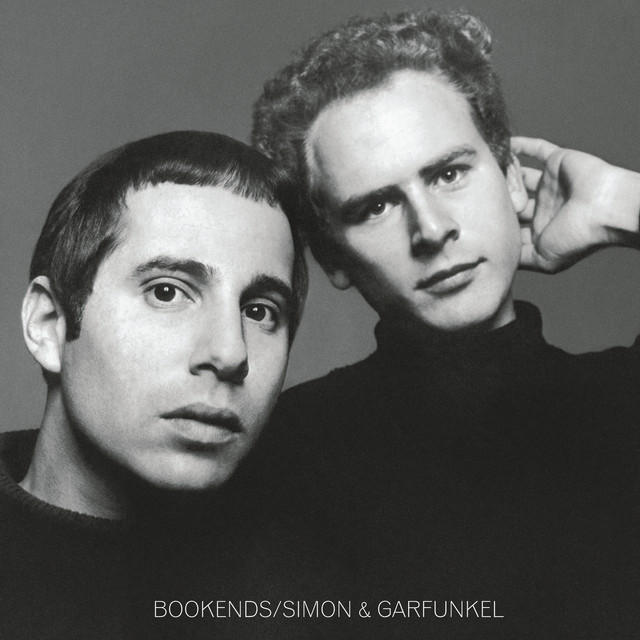
Folk-Rock's Signature Sound
Released on October 22, 1966, as part of the album Parsley, Sage, Rosemary and Thyme, Simon & Garfunkel's "A Hazy Shade of Winter" stands as a testament to the innovative spirit of the folk-rock genre. While the duo is often celebrated for introspective ballads, this track offers a more dynamic arrangement that hints at the evolving musical landscape of the late 60s.
Folk-rock, a genre that melded traditional folk music with rock elements, was beginning to gain traction during this period. Artists like Bob Dylan and The Byrds were reshaping popular music, and Simon & Garfunkel were not immune to these influences. "A Hazy Shade of Winter" employs a driving beat and electric instrumentation that push the boundaries of their earlier work.
Dark Imagery Meets Upbeat Arrangement
The song's lyrics reflect a sense of existential dread, encapsulated in the line,
. This juxtaposition of dark imagery against a bright, upbeat arrangement is a hallmark of folk-rock that Simon & Garfunkel adeptly navigated. The lively guitar riffs and percussive elements create a sense of urgency that contrasts with the introspective nature of the lyrics."Time, time, time, see what's become of me"
Did you know? The song was famously covered by The Bangles in 1987, giving it a fresh, pop-rock spin that brought it back into the spotlight.
Instrumentation as a Narrative Tool
The arrangement of "A Hazy Shade of Winter" uses instrumentation not just for sound, but as a narrative device. The electric guitar, played by Paul Simon himself, adds a raw energy that was becoming synonymous with the folk-rock movement. The strumming patterns and rhythmic drive propel the song forward, almost mirroring the frantic pace of life that the lyrics lament.
The bass line is another critical player in this arrangement, providing a solid foundation that enhances the song's groove. It's as if the instruments are echoing the turmoil expressed in the lyrics, creating a layered experience that invites listeners to reflect while simultaneously tapping their feet.
Evolution of Simon & Garfunkel
By the time "A Hazy Shade of Winter" was released, Simon & Garfunkel were already established figures in the music scene, thanks to hits like "The Sound of Silence" and "Homeward Bound." However, this track marks a significant shift in their sound, aligning them with the burgeoning folk-rock movement. This evolution showcased their ability to adapt while maintaining their distinctive vocal harmonies.
As Simon croons about time slipping away, the song’s arrangement suggests a sense of movement and change, capturing the zeitgeist of the 1960s. The duality of its sound—both reflective and energizing—mirrors the chaos of a generation caught between nostalgia and progress.
Legacy and Influence
The influence of folk-rock on "A Hazy Shade of Winter" cannot be overstated. Its arrangement set a precedent for future artists who sought to blend introspective lyrics with more upbeat melodies. The contrast found within the song encapsulates the essence of folk-rock: the ability to challenge listeners with weighty themes while delivering them on a buoyant sonic platform.
Ultimately, Simon & Garfunkel’s ability to synthesize these elements speaks to their artistry. "A Hazy Shade of Winter" remains a standout track that not only captures the spirit of its time but also provides a blueprint for artists who would follow in their footsteps.