The Birth of a Movement
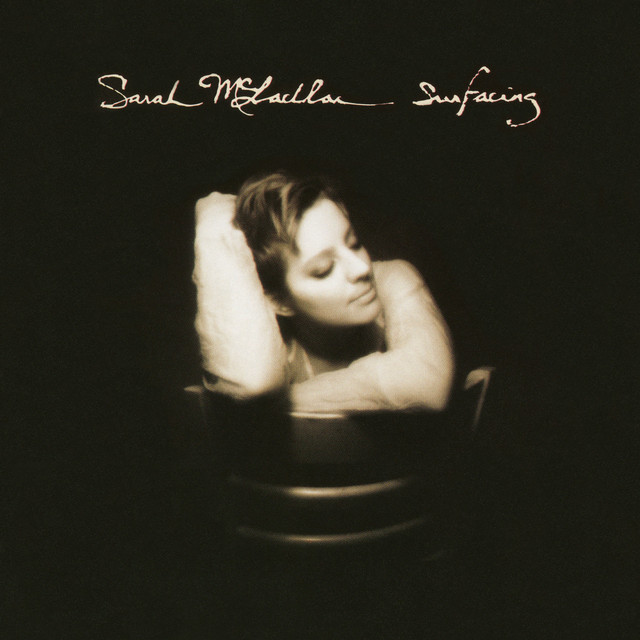
When Sarah McLachlan released "Angel" in 1997 on her album Surfacing, few could have predicted the profound effect it would have on animal welfare advocacy. The song, marked by its haunting melodies and emotional depth, transcended mere listening; it became an anthem for a cause. McLachlan's collaboration with the ASPCA in the early 2000s catapulted the song into the spotlight, effectively linking her music to a mission of compassion for abandoned animals.
Music Meets Advocacy
The music video featuring forlorn, shelter animals has become iconic. The visuals are stark, yet they underscore the lyrical themes of vulnerability and hope. The opening lines, "Spend all your time waiting for that second chance," resonate not just with personal struggles but with the plight of animals waiting for a loving home. The emotional weight of the song has spurred countless viewers to take action, whether through donations or direct adoption.
"In the arms of the angel, fly away from here..."
This lyric, in particular, has become synonymous with the rescue movement. It evokes a sense of escape and solace, painting a picture of what life could be for these animals if given the chance. The ASPCA's commercials featuring this song have raised millions, but they’ve also sparked a broader conversation about animal rights and the responsibilities of pet ownership.
A Legacy of Compassion
McLachlan's influence extends beyond just one campaign. The success of "Angel" has inspired other artists and organizations to leverage music for social change. Charitable initiatives have adopted similar emotional appeals, realizing that an authentic connection can galvanize support. The song has become a case study in how art can drive awareness and action.
Since its release, "Angel" has raised over $30 million for animal welfare organizations, marking a significant impact on the community.
Continued Relevance
Even as we move further into the 21st century, "Angel" retains its relevance. The song is frequently played at events, fundraisers, and benefits, continuing to inspire new generations of advocates. The legacy of McLachlan's work reminds us that music can serve as a powerful vehicle for change, particularly when it taps into our shared humanity.
Conclusion
Sarah McLachlan's "Angel" is more than just a song; it's a clarion call for compassion and action in the face of animal suffering. Its lasting impact on the animal rescue community is undeniable, and as long as the song is played, its message will continue to inspire love and advocacy for our furry friends.