Love, Betrayal, and Visibility
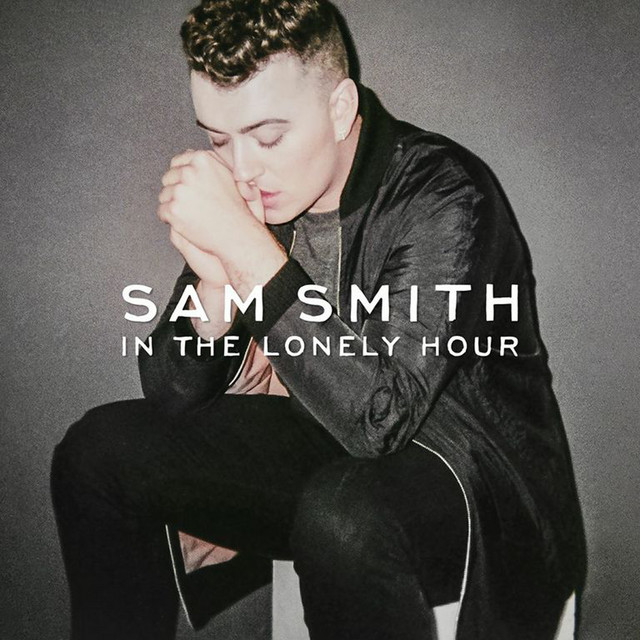
Sam Smith’s "I’m Not The Only One" isn’t just a breakup anthem; it’s a powerful reflection of the emotional turmoil faced by many in the LGBTQ+ community. Released in 2014 as part of their debut album, In the Lonely Hour, the song skyrocketed to number one in the UK and number two on the US Billboard Hot 100. With its soul-infused pop sound, produced by the likes of Jimmy Napes, it opened a vital dialogue on infidelity, heartbreak, and the complexities of love in a world that often marginalizes queer voices.
Raw Emotion in Every Note
Smith's delivery of lines like
strikes a chord with anyone who has faced betrayal. This sentiment is particularly resonant for LGBTQ+ individuals, who often navigate relationships in a society that can be unforgiving. The song’s narrative doesn’t just speak to personal pain; it reflects the collective experiences of those who have felt sidelined in their romantic lives."You say I'm foolish, but I know I'm not the only one"
Breaking the Silence
Before Smith emerged, mainstream music often glossed over LGBTQ+ themes, presenting a sanitized version of love that rarely included the messiness of real-life situations. "I’m Not The Only One" breaks that mold. Its candid exploration of infidelity and heartbreak allows listeners to confront uncomfortable truths, pushing the boundaries of what is acceptable in pop music.
A Cultural Shift
The impact of "I’m Not The Only One" extends beyond its chart performance; it catalyzed a shift in how LGBTQ+ narratives are woven into the fabric of popular culture. By openly discussing themes of love and betrayal from a queer perspective, Smith helped to normalize these experiences. This song, along with others from the album, contributed to a broader acceptance of LGBTQ+ issues in mainstream media.
Visibility and Acceptance
Visibility matters. Smith’s rise to fame challenged the public’s perception of what it means to be a queer artist. The heartfelt lyrics and emotional depth of "I’m Not The Only One" encouraged a generation to embrace their identities openly. The song serves as an anthem for those who have felt ostracized, reminding them that they are not alone in their struggles.
Smith's debut album, In the Lonely Hour, was nominated for multiple Grammy Awards and marked a significant moment in the representation of LGBTQ+ artists.
Continuing the Conversation
While "I’m Not The Only One" addresses personal heartbreak, its societal implications are profound. It serves as a reminder that love and heartbreak are universal experiences, transcending gender and sexual orientation. Smith’s vulnerability empowers others to share their stories, fostering a sense of community and understanding.
Legacy of Empowerment
As we reflect on the impact of "I’m Not The Only One," it’s clear that the song does more than tell a story of betrayal; it redefines the narrative for LGBTQ+ artists and listeners alike. By placing personal experiences at the forefront, Sam Smith has set the stage for future artists to express their truths without fear. The song remains a powerful testament to the ongoing journey toward acceptance and understanding in a world that still has a long way to go.