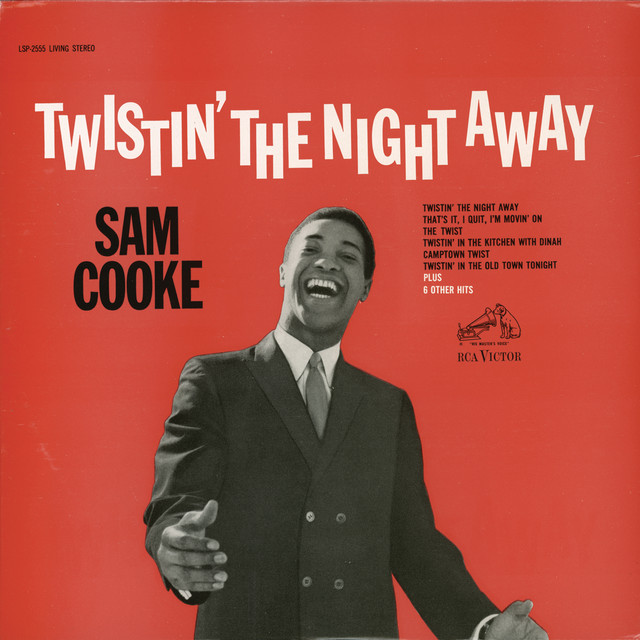
The Jazz Roots of a Dance Anthem
When Sam Cooke recorded "Twistin' the Night Away" on December 18, 1961, he was tapping into a vibrant musical legacy that stretched far beyond the dance floors of the early '60s. Many listeners consider this track a quintessential example of the twist craze, but its DNA is laced with the lively rhythms and improvisational flair of New Orleans jazz.
Cooke's ability to blend genres is on full display in "Twistin' the Night Away." While rock and roll was the dominant sound, the influence of jazz—particularly the New Orleans variety—provided a rich backdrop. The song features a swinging beat that invites listeners to let loose, reminiscent of the jazz clubs where the likes of Louis Armstrong and Jelly Roll Morton once held court.
A Melodic Celebration
The opening lines immediately set the tone: Cooke sings about a lively night out, capturing the essence of a joyous celebration. The song's structure, with its call-and-response pattern, mirrors jazz traditions where musicians engage in playful dialogue. This technique not only showcases Cooke's vocal prowess but also pays homage to the improvisational spirit of jazz.
"Everybody's doing a brand new dance now"
This lyric encapsulates the infectious enthusiasm of the era. While Cooke's reference to a new dance speaks to the twist craze, it also evokes the spirit of innovation that characterized New Orleans jazz. Just as jazz musicians were constantly evolving their sound, Cooke was at the forefront of a musical revolution.
Interesting fact: "Twistin' the Night Away" was included in Cooke's eighth studio album, released in April 1962, and became a major hit, reaching No. 1 on the R&B charts.
The Production Touch
Produced by Hugo & Luigi, the song's arrangement features brass instruments that evoke the New Orleans jazz tradition. The horns add a vibrant, celebratory quality, pushing the track into the realm of sheer joy. This sonic element is crucial; it's not just about the lyrics or Cooke's smooth vocals. The instrumentation creates an atmosphere that feels both nostalgic and contemporary, bridging the gap between jazz and the emerging pop landscape.
Legacy and Influence
"Twistin' the Night Away" not only solidified Cooke's status as a leading voice of his time but also served as a significant influence on future genres, including soul and funk. Artists like Otis Redding and Marvin Gaye would later draw from Cooke's innovative blend of styles, which undoubtedly included the rhythmic undercurrents of jazz.
In many ways, Cooke's work is a testament to the enduring power of New Orleans jazz. The genre's improvisational spirit and penchant for celebration found a home in Cooke's music, leaving a legacy that continues to inspire artists today.
Conclusion: A Timeless Dance
With its roots in jazz and its wings in the dance craze of the early '60s, "Twistin' the Night Away" is more than just a song—it's a cultural moment. It captures the joy of music as a unifying force, one that transcends time and genre. Sam Cooke didn't just write a dance anthem; he created a piece of art that continues to invite people to dance, reminisce, and celebrate the rhythm of life.