The Ink Spots' Influence
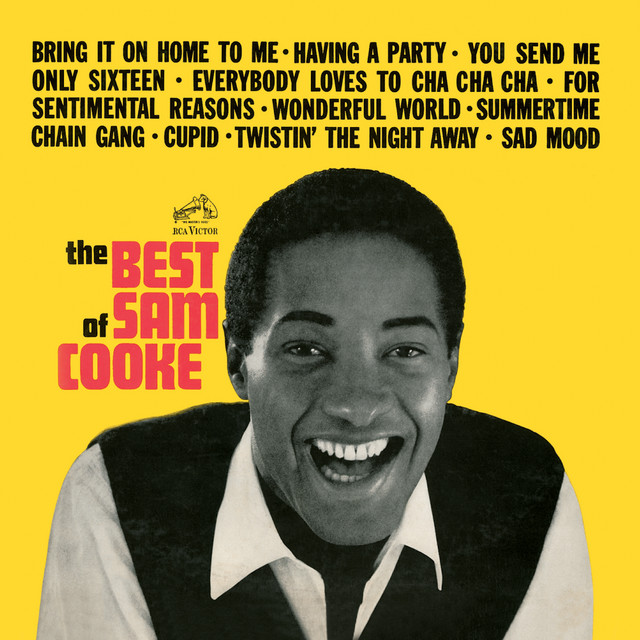
When Sam Cooke recorded "(I Love You) For Sentimental Reasons" in 1964, he wasn't just stepping into the studio to lay down a track; he was channeling the legacy of the Ink Spots, whose founding member, Ivory "Deek" Watson, co-wrote the song. The gentle crooning style and heartfelt delivery that Cooke brought to his version echo the smooth harmonies that defined the Ink Spots' sound in the 1940s.
Watson's background in jazz and pop standards, combined with the Ink Spots' pioneering blend of vocal harmonies and rhythm, set a precedent for what Cooke would interpret. The song’s simple yet profound sentimentality aligns perfectly with the Ink Spots' ethos, making Cooke’s rendition not just a cover but an homage.
Jazz Standards and Cooke's Style
Cooke's musical journey began in gospel, but his evolution into pop and soul was heavily influenced by jazz standards. His first pop single, "Lovable," released in 1956, showcased his ability to merge the sacred with the secular. As he shifted into mainstream music, the jazz influence became even more pronounced in songs like "(I Love You) For Sentimental Reasons."
The lush arrangement of Cooke's version features smooth horns and a mellow rhythm that is reminiscent of the jazz ballads popularized by artists like Nat King Cole and Billie Holiday. These artists not only shaped the jazz genre but also provided a blueprint for emotional expression in music that Cooke masterfully adopted.
Lyrics That Hit Home
The lyrics of "(I Love You) For Sentimental Reasons" are deceptively simple yet steeped in emotional gravity. Cooke sings,
—this line encapsulates a universal yearning that resonates with anyone who has ever loved. The sentiment is pure, avoiding the overblown theatrics often found in contemporary ballads, instead opting for sincerity."I love you for sentimental reasons / I hope you do believe me"
Cooke’s ability to convey vulnerability and authenticity was revolutionary at the time, especially within the context of the Civil Rights Movement, which was gaining momentum. His music became a vehicle for change, and this song, while primarily a love ballad, fit seamlessly into that narrative, showing that personal emotions can intersect with social progress.
The Legacy of the Song
Cooke’s rendition of "(I Love You) For Sentimental Reasons" has been covered countless times, but his version stands out for its smoothness and emotional depth. The way he delivers the line,
, transforms a simple declaration into a profound truth that echoes through generations."You mean more to me than anything"
The song not only highlights Cooke's artistry but also serves as a reminder of the jazz standards that shaped the very fabric of popular music. The influence of the Ink Spots and the jazz movement of the 1940s is undeniable, as they laid the groundwork for artists like Cooke to flourish.
A Cultural Touchstone
As Cooke’s music emerged in the 1960s, it began to reflect the changing social climate. His ability to infuse jazz sensibilities with soul and pop made him a cultural touchstone. "(I Love You) For Sentimental Reasons" exemplifies this blend, marrying the jazz roots of the past with the burgeoning soul movement.
Cooke's version remains a timeless classic, highlighting how jazz standards can shape and evolve within the realms of pop and soul. The song’s enduring appeal speaks to the power of music as a form of expression, capable of traversing time and cultural shifts.
Interesting fact: Sam Cooke was heavily influenced by the Civil Rights Movement, using his music to advocate for change during a pivotal time in American history.