A Surprising Blend of Styles
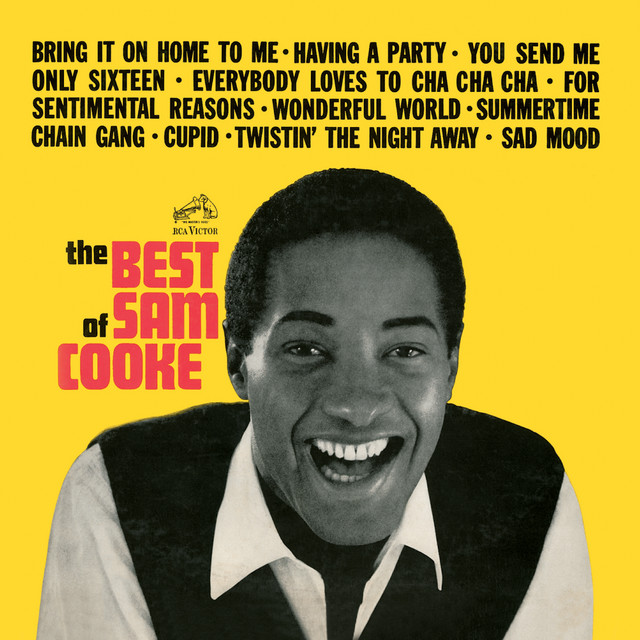
When you think of Sam Cooke, you might envision the smooth crooner of soul classics like "You Send Me" and "A Change is Gonna Come." However, in 1960, Cooke ventured into a new territory with "Everybody Loves to Cha Cha Cha," a track that showcased his ability to seamlessly blend genres. Originally released as "Everybody Likes to Cha Cha Cha," this song is a testament to the rhythmic and melodic influences of Latin music on Cooke's artistry.
Cooke’s Latin Connection
At the heart of "Everybody Loves to Cha Cha Cha" is an irresistible rhythm that pulses with the spirit of Latin music. The cha-cha, a lively Cuban dance that became popular in the U.S. during the late 1950s, served as a perfect backdrop for Cooke's smooth vocal delivery. While Cooke's previous hits highlighted his soulful roots, this track revealed a playful side that embraced a different cultural soundscape.
Cooke recorded this track during a session aimed at producing three new songs he had composed, without the assistance of an arranger, showcasing his raw talent.
Lyrics that Capture the Vibe
The lyrics of the song are simple yet infectious, capturing the joy of dancing and togetherness. Cooke sings about the universal appeal of the cha-cha, inviting listeners to join in the fun. The line,
serves as both a declaration and an invitation, embodying the spirit of community that transcends cultural boundaries."Everybody loves to cha cha cha,"
Influence and Legacy
Cooke's foray into Latin-inspired music was not just a one-off experiment; it opened doors for further exploration in his career. The cha-cha rhythm influenced his later work and hinted at a broader acceptance of cross-genre experimentation within the music industry. Songs like "Twistin' the Night Away" would further cement his position as a versatile artist unafraid to incorporate diverse musical elements.
A Cultural Melting Pot
In the context of the 1960s, Cooke's embrace of Latin rhythms was groundbreaking. It reflected the growing multiculturalism in America, as artists began to draw from a variety of global influences. This track, in particular, stands out as a precursor to the Latin music boom that would take over the charts in the following decades.
Conclusion: More than Just a Dance Song
Ultimately, "Everybody Loves to Cha Cha Cha" is more than just a catchy dance song; it is a cultural statement. Through its rhythm and lyrics, Cooke managed to create a bridge between different musical traditions, demonstrating that great music knows no boundaries. In doing so, he not only contributed to the cha-cha craze but also enriched his own legacy as one of the most innovative artists of his time.