Roots of Pain and Heartbreak
Sam Cooke’s rendition of "Cry Me a River" isn’t just another soulful ballad; it’s a layered expression of heartache intertwined with the broader context of racial injustice that shaped his life and career. Originally written by Arthur Hamilton in 1953, the song became a staple in Cooke’s repertoire, showcasing his ability to infuse personal experiences into universally relatable themes.
Cooke's journey began in the segregated South, where he encountered racial barriers that stifled ambition and crushed dreams. The emotional weight of his experiences seeps into every note of "Cry Me a River," revealing a depth that goes beyond the surface of romantic betrayal.
A Voice of His Generation
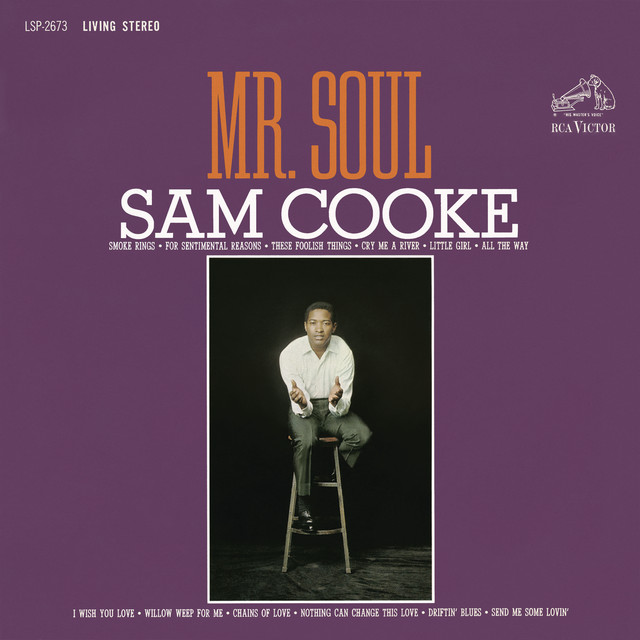
By the time Cooke recorded "Cry Me a River" in 1963 for his album Mr. Soul, he was already a prominent figure in the fight for civil rights. This context adds a layer of complexity to the song. The lyrics, which express feelings of abandonment and sorrow, can be seen as a metaphor for the disenfranchisement experienced by African Americans.
"Now you say you're lonely, you cry the whole night through"
These lines resonate with the collective pain of a community that felt abandoned by society. Cooke's delivery is masterful; his smooth tenor carries the weight of his own struggles, making the listener feel both the personal and the political.
Interestingly, Cooke's ability to bridge genres helped him reach a wide audience, making him a pivotal figure in both music and social justice.
Personal Trials and Societal Reflection
It’s crucial to understand how Cooke's personal trials influenced his artistry. The song speaks to heartbreak not just in love but also in the broader context of a love for one’s country that has been unreciprocated. His experiences with racial injustice were not just external; they were internal battles that shaped his worldview.
Cooke’s choice to include "Cry Me a River" in his discography was a statement in itself. It was a way of reclaiming pain, transforming it into a powerful narrative that echoed the frustrations of those around him.
The Influence of Racial Injustice
Cooke’s encounters with the harsh realities of racial discrimination informed his music profoundly. Tracks like "A Change Is Gonna Come" are more overtly political, but the emotional core of "Cry Me a River" reflects an underlying disillusionment that is palpable. The feeling of betrayal extends beyond romantic relationships to touch on the betrayal felt by an entire race.
"You told me that you loved me, and that you’d always be true"
These words echo the sentiment of a community that was promised equality and justice but faced ongoing oppression instead. Cooke's heartbreak becomes a mirror reflecting societal issues, capturing the essence of a struggle that extends far beyond individual sorrow.
Legacy of Emotion and Activism
As Cooke’s career progressed, he became increasingly involved in the civil rights movement. His music served as both a soundtrack and a rallying cry for change. "Cry Me a River" may appear to be simply about lost love, but when placed against the backdrop of Cooke’s life, it transforms into a resonant critique of the injustices faced by African Americans.
In this light, the song becomes not just a lament for a lost relationship but a broader commentary on the emotional toll of systemic racism. Cooke’s artistry allowed him to channel his lived experiences into something greater, affecting change while captivating audiences.
The Timeless Message
Sam Cooke's "Cry Me a River" stands as a testament to the power of music to convey deep emotional truths. It is both a personal statement and a reflection of societal woes, making it a timeless piece that continues to resonate. As listeners, we are reminded that behind every heartbreak lies a story — one that is often intertwined with the struggles of a community seeking justice and recognition.