The Dichotomy of Music and Money
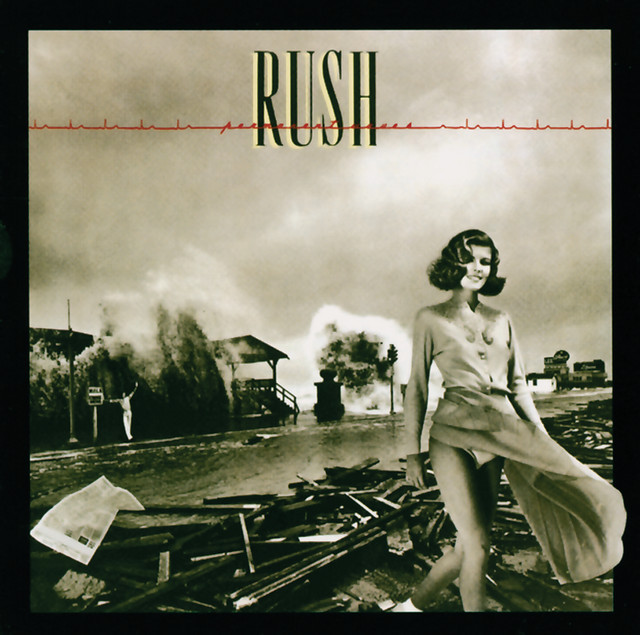
Rush's "The Spirit of Radio," from their 1980 album Permanent Waves, stands as a defining moment in rock music. The song is not just a catchy anthem; it’s a critique of the commercialization that often compromises artistic integrity. Within its energetic riffs and Neil Peart's incisive lyrics lies a powerful message about the struggle for artistic freedom in a commercial landscape.
The opening lines set the tone, emphasizing the joy and purity of radio before the intrusion of corporate interests. Peart writes about the “spirit” that is found in music, a spirit that is increasingly threatened by the demands of the marketplace. This duality is palpable as the song oscillates between celebration and critique.
"Invisible airwaves crackle with life / Bright antennae bristle with the energy"
Here, Rush evokes an image of raw, unfiltered creativity, a world where music is a free-flowing entity, untouched by commercial forces. This contrasts sharply with the realities of the music industry, where profit margins often dictate artistic choices. The song captures a fleeting moment in time—a nostalgic reminiscence of what radio once represented: a space for genuine connection.
The Impact of Commercialization
As the track progresses, the focus shifts to the harsh realities of the music business. Peart's lyrics reflect on how commercial pressures can dilute the essence of music. The lines caution against the allure of fame and fortune, suggesting that true artistry can be overshadowed by the desire for financial success.
"For the words of the profits were written on the studio wall"
This line serves as a stark reminder that the industry can often prioritize profit over passion. The irony lies in the fact that while Rush critiques the commercialization of music, they themselves were on the cusp of mainstream success, which raises questions about their own place within this dynamic.
Interestingly, the song's release coincided with the rise of FM radio, which was beginning to dominate the airwaves, reflecting the very commercialization Rush critiques.
The Spirit of Radio Today
In an era dominated by streaming services and algorithm-driven playlists, the themes of "The Spirit of Radio" remain relevant. The song is a reminder of the importance of artistic integrity in an age where music can sometimes feel like just another product on a shelf. It challenges listeners to reflect on what they value in music: is it the authenticity of the artist or the marketing behind the music?
Rush managed to capture a moment of clarity in a chaotic industry, and their message endures. The interplay between freedom and commercialization in "The Spirit of Radio" is a call to action for artists and fans alike. It urges us to seek out the raw, unfiltered energy of music that resonates beyond the confines of commercialism.
A Lasting Legacy
Ultimately, "The Spirit of Radio" serves not only as a critique but as a celebration of music's potential to inspire and connect. Rush's ability to navigate this complex relationship is what makes the song timeless. As we continue to grapple with these issues today, the track stands as a powerful anthem for those who seek to maintain the spirit of creativity in an increasingly commercialized world.