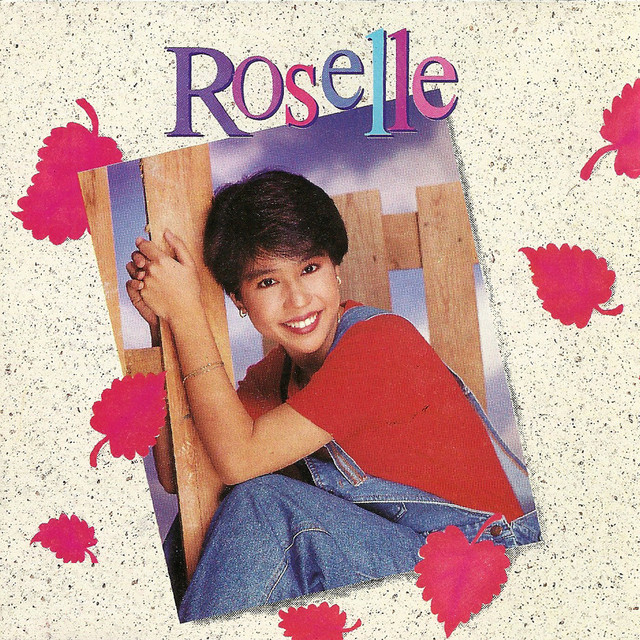
A Personal Journey Through Heartbreak
When Roselle Nava penned "Bakit Nga Ba Mahal Kita" in 1993, she was not just crafting a song; she was pouring her heart out. This poignant ballad became an anthem for those entangled in the complexities of love, and its raw emotion stems directly from Nava's own experiences with heartbreak.
In a decade where Original Pilipino Music (OPM) surged with hits, Nava's track stood out, not just for its melody but for its emotional honesty. With lines that echo the pain of unrequited love, the song captures a universal sentiment that resonates even today. It speaks to anyone who has ever questioned their feelings, making it a timeless classic.
The Context of the 1990s OPM Scene
The 1990s were a transformative period for OPM, marked by a rich array of artists and genres. Nava's contemporaries, like Rivermaya with their track "Ulan," were also exploring themes of love and loss, but Nava's approach was uniquely intimate. Her songs, including "Maniniwala Ba Ako" and "Dahil Mahal Na Mahal Kita," often delved into personal territory, making them relatable.
"Bakit Nga Ba Mahal Kita" stands out in this context not just for its catchy melody but for its lyrical depth. Nava's vulnerability shines through, as she grapples with the question that plagues many in love: why do we continue to love someone who may not reciprocate those feelings?
Unpacking the Lyrics
This track opens with a haunting introspection, immediately pulling listeners into a world of doubt and longing. The chorus, with its repetitive questioning, exemplifies how love can lead to confusion. Nava's delivery, filled with emotion, makes lyrics like
feel like a personal confession rather than just a catchy hook."Bakit nga ba mahal kita?"
By asking "Why do I love you?", she encapsulates the essence of a tumultuous relationship. It’s a simple question that spirals into complex emotions, reflecting the tumult that often accompanies love. This honesty is what has allowed the song to endure over the decades.
A Lasting Impact
"Bakit Nga Ba Mahal Kita" has become more than just a song; it's a cultural touchstone within the OPM canon. It has been covered by various artists and continues to be performed at gatherings, proving its lasting relevance. The heartache and uncertainty expressed in the song are feelings that are as prevalent today as they were in the '90s.
Roselle Nava's impact on OPM is undeniable. She has inspired countless artists, contributing to the rich history of Philippine music.
The emotional weight of her work has also paved the way for future artists, who often cite her as an influence. The vulnerability displayed in her songs has encouraged a generation of musicians to embrace their own stories, making OPM a dynamic and evolving genre.
Conclusion: The Power of Personal Experience
At its core, "Bakit Nga Ba Mahal Kita" serves as a reminder of the power of personal experience in songwriting. Roselle Nava's ability to channel her heartbreak into a song that speaks to the masses highlights the universal nature of love and loss. It’s a classic that will continue to resonate, proving that the questions of the heart are timeless.