The Heart of the Song
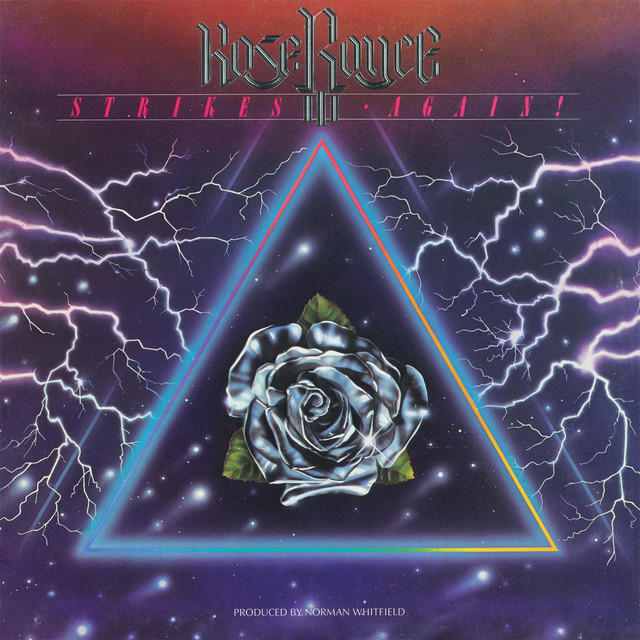
When Rose Royce released "Love Don't Live Here Anymore" in 1978, it became more than just a breakup anthem; it morphed into a soul classic that explores the depths of loss and heartache. Written by Miles Gregory and featured on the album Rose Royce III: Strikes Again!, the song showcases a masterful production that intertwines smooth melodies and poignant lyrics. Yet, it is the haunting background vocals that elevate the emotional experience, embedding the song in the listener's psyche.
Layered Emotions
The background vocals in this track play a crucial role in conveying a sense of abandonment and sorrow. As the lead singer, Gwen Dickey, expresses a void with raw sincerity, the subtle harmonies echo her sentiments, amplifying the song's emotional weight. They don’t just support the melody; they act as ghostly reminders of love lost. Lines like
resonate with a chilling finality, and the ethereal backing vocals reinforce this sense of desolation."Love don’t live here anymore"
A Sonic Contrast
What makes these background vocals particularly striking is their contrast to the lead. While Dickey's voice is powerful and direct, the background singers weave in and out like wisps of a fading memory. This dichotomy highlights the tension between the singer’s passionate delivery and the resigned acceptance of loss. It’s as if the background voices are mourning alongside the listener, amplifying the sense of shared grief.
Production Mastery
Produced by Norman Whitfield, a former Motown stalwart, the song benefits from his keen ear for emotional storytelling through music. Whitfield’s arrangement allows the background vocals to swell and recede, creating a dynamic landscape within the song. The production is sparse yet rich, inviting listeners to focus on the emotional nuances that the vocals bring. Each note feels like a step deeper into the heartache, making the experience visceral.
Interesting fact: "Love Don't Live Here Anymore" was also famously covered by Madonna in 1984, showcasing its timeless appeal.
The Legacy of Heartache
Decades later, the song remains a staple in discussions about love and loss. The background vocals serve as a reminder that sorrow is often multifaceted, echoing the complexities of relationships. They transform a simple narrative of heartbreak into a haunting reflection on what it means to be left behind. The choice to include such ethereal harmonies elevates the song, making it a haunting reminder that love, once vibrant, can leave an empty space that lingers long after its departure.
An Emotional Echo
In the context of soul music, Rose Royce's incorporation of background vocals in "Love Don't Live Here Anymore" stands as a testament to the genre's ability to convey deep emotional truths. This track doesn’t merely tell a story; it immerses the listener in an experience, making them feel the weight of every word. The haunting echo of those background vocals lingers, ensuring that the themes of love and loss resonate long after the final note fades.