The Power of Nostalgia in 'Costumbres'
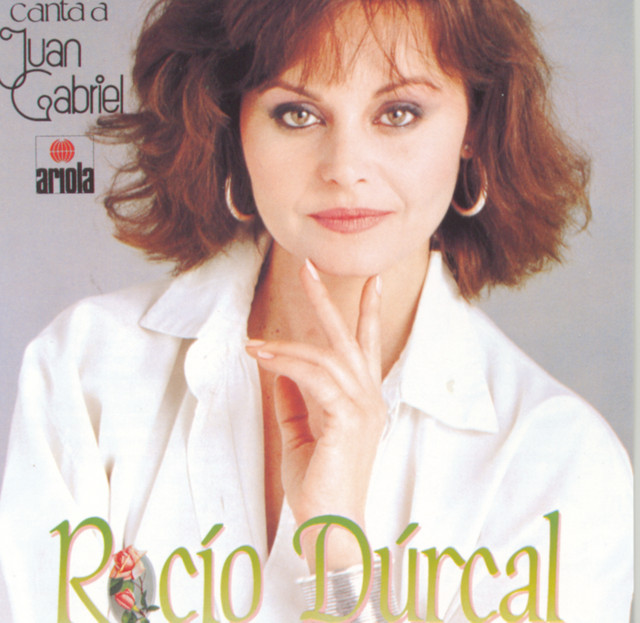
Rocío Dúrcal's "Costumbres," penned by the legendary Juan Gabriel, stands as a hallmark of Latin American music, encapsulating the bittersweet nature of nostalgia. Released in 1981 as part of the album "Rocío Dúrcal, Isabel Pantoja" under the production of Gabriel himself, this track delves into themes of love, loss, and the haunting memories that linger long after a relationship has ended.
The song's narrative is steeped in a sense of yearning. Dúrcal's delivery of lines like
captures the essence of heartbreak. It resonates not just as a personal lament but as a shared experience among listeners who have faced similar emotional upheavals."Yo no sé si tú lo sabes, pero a mí me dolió"
Nostalgia as a Cultural Lens
In Latin American music, nostalgia often serves as a cultural lens through which artists express collective memories and emotions. "Costumbres" is no exception; its themes reflect a deep-seated cultural attachment to the past. This connection is not merely sentimental; it plays a vital role in shaping the identities of its listeners. The song taps into a universal longing for what once was, a feeling that is particularly potent in Latin America, where historical and personal narratives intertwine.
Juan Gabriel, a maestro of Mexican pop and balladry, understood this sentiment well. His ability to evoke emotions through relatable lyrics has made him a cornerstone of the genre. In "Costumbres," he crafts a narrative that feels both intimate and expansive, allowing listeners to project their own experiences onto the song.
The Legacy of Juan Gabriel and Rocío Dúrcal
Rocío Dúrcal's partnership with Juan Gabriel produced some of the most memorable songs in Latin music history. Their collaborative efforts brought forth a sound that was both traditional and contemporary, breathing new life into the ranchera and bolero genres. Dúrcal's emotive vocal style, coupled with Gabriel's masterful songwriting, created a unique blend that continues to influence artists today.
"Costumbres" did not just cement Dúrcal's status as a leading figure in Latin music; it also opened doors for future generations. The themes of nostalgia found in this song can be traced through the works of artists like Ana Gabriel and La India, who incorporate similar emotional depth into their own music.
Juan Gabriel, often referred to as the "Divo de Juárez," wrote over 1,800 songs, many of which have become classics in Latin American music.
Nostalgia's Enduring Impact
The nostalgia present in "Costumbres" speaks to the heart of Latin American culture, where music often serves as a vessel for collective memory. This song is a prime example of how artists use personal experiences to express broader societal emotions. The longing expressed in Dúrcal's voice transcends the individual, making it a powerful anthem for anyone who has felt the weight of remembrance.
As the world evolves, the themes in "Costumbres" remain relevant, reminding listeners of the power of memory and the importance of honoring the past. The song's impact is felt not only in nostalgic retrospectives but also in the continued exploration of similar themes across the genre.
Conclusion: A Nostalgic Echo in Modern Music
Rocío Dúrcal's "Costumbres" is more than a song; it's a cultural artifact that continues to influence Latin music. Its nostalgia offers a mirror reflecting the emotions of countless listeners, making it an enduring classic. As new generations of artists draw inspiration from Dúrcal and Gabriel, the echoes of nostalgia will undoubtedly remain a vital force in the evolution of Latin American music.