Emotional Anchor in Times of Grief
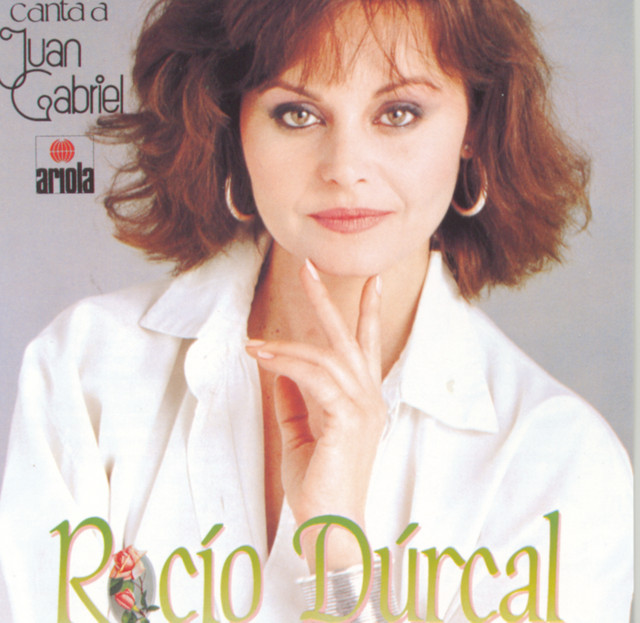
Rocío Dúrcal's rendition of "Amor Eterno," penned by the prolific Juan Gabriel, transcends mere musicality to become a cornerstone of Latin American mourning rituals. Released in 1984 on the album of the same name, the song is a ranchera that has woven itself into the fabric of funerals across the region. Dúrcal’s powerful voice captures the visceral pain of loss, making it an anthem for those grappling with the death of a loved one.
From Celebration to Sorrow
In Latin American culture, music often serves as a bridge between life and death. "Amor Eterno" exemplifies this duality, encapsulating the celebration of life while acknowledging the profound sorrow that accompanies death. The emotional weight of Dúrcal's performance, particularly in lines such as
, evokes an ache that feels both personal and universal."Como quisiera que tú vivieras, que tus ojitos jamás se hubieran cerrado nunca"
A Cultural Staple
The song's prevalence at funerals speaks to its cultural significance. It is not just a song; it is a ritualistic element that honors the departed. Families often play "Amor Eterno" during memorial services to encapsulate their grief, providing a sonic backdrop that allows for the expression of sorrow. The lyrics articulate an unending love that persists beyond the grave, reflecting a belief in the enduring bond between the living and the deceased.
A Legacy of Juan Gabriel
Juan Gabriel, who composed "Amor Eterno," was known for his ability to distill complex emotions into accessible songs. With around 1,800 compositions, his work often explored themes of love and loss. Dúrcal's interpretation of this particular piece highlights not just her vocal prowess but also her deep understanding of the emotional context. In 2005, she received a Latin Grammy, solidifying her status as a torchbearer for the ranchera genre.
Rocío Dúrcal was inducted into the Latin Songwriters Hall of Fame in 1999, showcasing her versatility and the emotional resonance of her music.
The Ritual of Mourning
Throughout Latin America, the act of mourning is communal and deeply entrenched in tradition. "Amor Eterno" serves as an emotional touchstone in these gatherings, allowing individuals to collectively navigate their grief. The song's melody and heartfelt lyrics create a space for remembrance and reflection, making it a vital part of the mourning process.
A Connection Beyond Words
The power of "Amor Eterno" lies in its ability to articulate feelings that often go unspoken. The line
resonates as a mantra for those left behind, emphasizing the sacrifices made and the love that continues to exist, even in the wake of loss."Tantas veces te di mi vida, por ti, mi amor"
Conclusion: A Song for the Ages
As long as there are goodbyes, "Amor Eterno" will remain a fixture at Latin American funerals. Its haunting beauty gives voice to the unspeakable anguish of losing a loved one, allowing for a shared experience of grief that unites families and communities. Dúrcal's timeless performance has ensured that this song will echo through the generations, a lasting tribute to love that endures beyond death.