The Voice of Experience
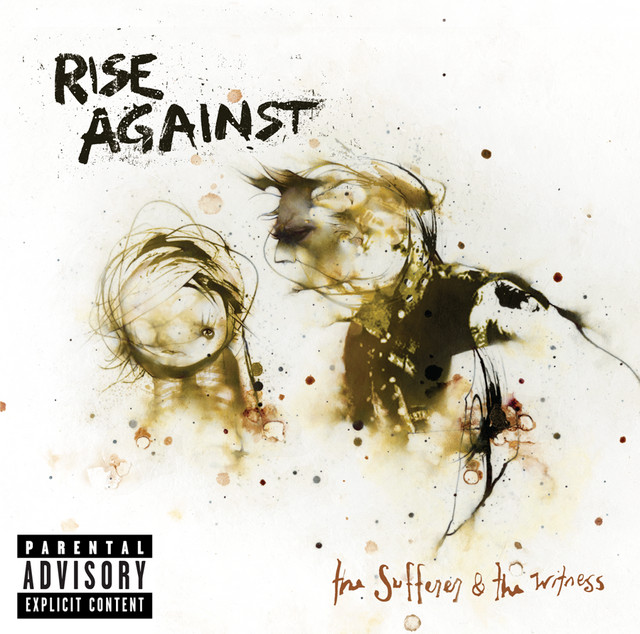
Tim McIlrath, the lead singer of Rise Against, channels his personal history into the band's powerful anthems, particularly in "Prayer of the Refugee" from their 2006 album, The Sufferer & The Witness. This track is more than a punk rock song; it’s a reflection of McIlrath’s commitment to social justice and his deep empathy for those caught in the struggles of displacement.
"Prayer of the Refugee" was birthed from a tumultuous socio-political climate, characterized by rising tensions around immigration and global conflict. McIlrath's lyrics draw from the desperation of refugees, a theme that is both timely and timeless. The song captures a visceral sense of urgency that comes from real-world suffering, which McIlrath has consistently advocated against throughout his career.
Personal Connections to Global Crises
McIlrath's own upbringing in a working-class family in Illinois has undoubtedly shaped his worldview. He’s witnessed firsthand the struggles of marginalized communities, making the themes of alienation and resilience in "Prayer of the Refugee" particularly poignant. The line,
reflects a collective identity that goes beyond individual experience, tapping into a universal narrative of survival."We are the angry and the desperate, the hungry and the cold"
The song evokes a raw emotional response, as McIlrath’s vocal delivery is both urgent and heartfelt. This urgency is not just for show; it’s a call to action that has become a hallmark of Rise Against's music. By drawing parallels between personal stories and larger societal issues, McIlrath elevates the song into a battle cry for those whose voices are often silenced.
Musical Elements Amplifying the Message
Musically, "Prayer of the Refugee" utilizes driving guitar riffs and relentless drum beats, typical of the punk rock genre. Produced by the band alongside the renowned Garth Richardson, the track maintains a frenetic energy that mirrors the chaotic emotions associated with the plight of refugees. The instrumentation complements the lyrical content perfectly, creating a sense of urgency that compels the listener to pay attention.
The song was a commercial success, charting on the Modern Rock Tracks in the United States alongside other hits from The Sufferer & The Witness, like "Ready to Fall" and "The Good Left Undone".
Activism Through Art
McIlrath’s commitment to activism is not just a backdrop; it is the very essence of Rise Against. The band has long been associated with various humanitarian causes, and "Prayer of the Refugee" serves as a perfect example of how art can be wielded as a weapon against injustice. By sharing narratives of struggle, McIlrath invites listeners to confront uncomfortable truths and inspires them to engage in social change.
This song is not merely a reflection of McIlrath’s personal experiences; it is a mirror held up to society’s failures. The line,
serves as a reminder that it's often those in power who perpetuate cycles of suffering, while the displaced seek only safety and dignity."We’re not the ones who’ve lost our way"
A Lasting Impact
Ultimately, "Prayer of the Refugee" stands as a testament to the power of personal experience in shaping artistic expression. McIlrath’s ability to weave his own narrative into the broader tapestry of social issues creates a compelling and urgent call for empathy and action. It’s a reminder that behind every statistic is a human story, one that deserves to be told and heard.
As the world grapples with ongoing crises of displacement and inequality, McIlrath's voice remains a beacon of hope and a rallying point for change. The raw energy of "Prayer of the Refugee" continues to resonate, proving that punk rock can still be a force for good in a world that desperately needs it.