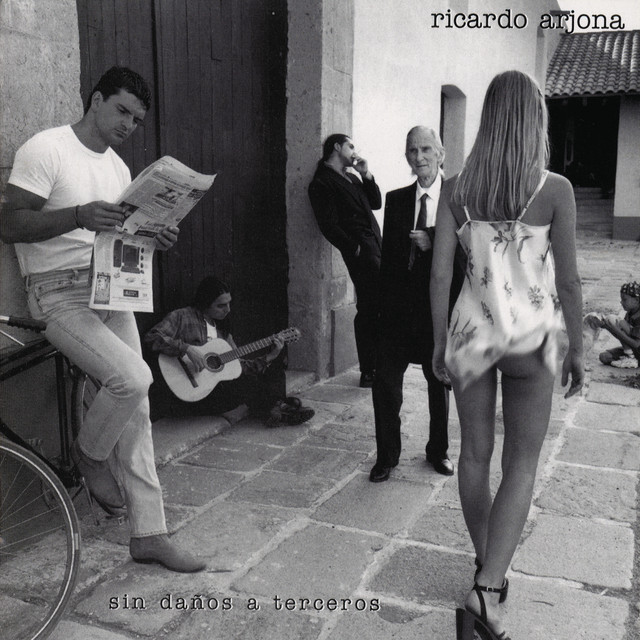
Historia de Taxi
Summary
"Historia de Taxi" tells a story of a taxi driver who encounters a beautiful woman with a sad past. As they connect, he discovers that she’s involved with someone close to him, revealing the tangled web of relationships and social classes.
Full Analysis
The song dives deep into themes of love, betrayal, and the complexities of social class. The taxi driver becomes a witness to the emotional struggles of others while grappling with his own issues. It highlights how life can twist unexpectedly, especially when love and deception collide. The setting of a taxi, a space of transition, emphasizes the fleeting moments we have with people and the connections we form, even if they might lead to heartbreak.
Verse 1
Eran las diez de la noche, piloteaba mi nave
Era mi taxi un VolksWagen del año 68
Era un dia de esos malos donde no hubo pasaje
Las lentejuelas de un traje me hicieron la parada
In this opening verse, the scene is set around 10 PM as the taxi driver reflects on his old Volkswagen. He’s having a rough night with no passengers, which adds a tone of loneliness. The arrival of a glamorous woman in sequins changes everything. This moment is significant; it introduces the idea that even on bad days, something unexpected can happen that alters the course of our lives.
Chorus
¿Qué es lo que hace un taxista seduciendo a la vida?
¿Qué es lo que hace un taxista construyendo una herida?
¿Qué es lo que hace un taxista en frente de una dama?
¿Qué es lo que hace un taxista con sus sueños de cama?
The chorus raises questions about the role of the taxi driver in this story. It hints at deeper meanings of life and relationships. The idea of “seducing life” suggests that the driver is trying to make the best out of his situation, while “building a wound” reflects the pain that often comes with connections and desires. It shows how his job, while seemingly simple, is filled with emotional complexity.
Verse 2
Eran las diez con cuarenta, sigzagueaba en reforma
Me dijo: "me llamo Norma" mientras cruzaba la pierna
Sacó un cigarro algo extraño, de esos que te dan risa
Le ofrecí fuego de prisa y me temblaba la mano
In this verse, the driver learns the woman's name, Norma. There's a flirtation in the air as she crosses her legs and smokes a strange cigarette, which adds a sense of mystery. His nervousness as he offers her a light shows his attraction and the stakes of the moment. It captures that initial excitement of meeting someone new, hinting at the chemistry between them.
Chorus
¿Qué es lo que hace un taxista seduciendo a la vida?
¿Qué es lo que hace un taxista construyendo una herida?
¿Qué es lo que hace un taxista cuando un caballero
Coincide con su mujer en horario y esmero?
The chorus repeats, but this time it has a more urgent tone. It suggests the consequences of the taxi driver's actions. It raises the stakes about what happens when life takes unexpected turns, especially when it involves love and betrayal.
Verse 3
Lo vi abrazando y besando a una humilde muchacha
Es de clase muy sencilla, lo sé por su facha
Me sonreía en el espejo y se sentaba de lado
Yo estaba idiotizado con el espejo empañado
Here, the driver observes a different scene. He sees a man with a simple girl, which stands in contrast to his earlier encounter with Norma. The line about being “idiotizado” reflects his fascination and confusion, as he watches this moment unfold. It highlights the social divide, showing that love can cross boundaries but also create complications.
Chorus
¿Qué es lo que hace un taxista seduciendo a la vida?
¿Qué es lo que hace un taxista construyendo una herida?
¿Qué es lo que hace un taxista cuando un caballero
Coincide con su mujer en horario y esmero?
The chorus returns, now with a heavier weight. It prompts the listener to think about the intertwining lives and the inevitability of collisions in relationships. The driver is caught in a web of emotions, raising the stakes even higher.
Bridge
No se sienta usted tan sola
Sufro, aunque no es lo mismo
Mi mujer y mi horario
Han abierto un abismo
In this bridge, the driver tries to comfort Norma while revealing his own struggles. He acknowledges their pain, even though they’re from different worlds. The “abismo” or abyss represents the gap between their lives, yet they share a moment of connection. It’s a poignant reminder that suffering can unite people, even if their experiences are different.
Outro
Desde aquella noche, ellos juegan a engañarnos
Se ven en el mismo bar
Y la rubia para el taxi siempre a las diez en el mismo
Lugar
The outro wraps up the narrative, revealing that the driver’s wife and Norma keep meeting. It’s a twist that emphasizes betrayal and the cyclical nature of their lives. The repetition of the time and place shows how life can feel predictable yet full of surprises. It leaves the listener with a sense of unresolved tension.
Closing Thoughts
"Historia de Taxi" is more than just a story about a taxi driver. It explores love, betrayal, and the struggle between different social classes. The interactions between the characters create a rich narrative that feels relatable and real. Each moment in the taxi becomes a reflection of life’s unpredictability, reminding us that every encounter can change everything.
Full Lyrics
▼
Eran las diez de la noche, piloteaba mi nave
Era mi taxi un VolksWagen del año 68
Era un dia de esos malos donde no hubo pasaje
Las lentejuelas de un traje me hicieron la parada
Era una rubia preciosa
Llevaba minifalda
El escote en su espalda
Llegaba justo a la gloria
Una lágrima negra rodaba en su mejilla
Mientras que el retrovisor decía: "ve, qué pantorillas"
Yo vi un poco más, ah-ah-ah
Eran las diez con cuarenta, sigzagueaba en reforma
Me dijo: "me llamo Norma" mientras cruzaba la pierna
Sacó un cigarro algo extraño, de esos que te dan risa
Le ofrecí fuego de prisa y me temblaba la mano
Le pregunté: "¿por quién llora?"
Y me dijo: "por un tipo
Que se cree que por rico
Puede venir a engañarme"
No caiga usted por amores
Debe de levantarse (Le dije)
Cuente con un servidor
Si lo que quiere es vengarse
Y me sonrió, oh-oh-oh, oh-oh-oh
¿Qué es lo que hace un taxista seduciendo a la vida?
¿Qué es lo que hace un taxista construyendo una herida?
¿Qué es lo que hace un taxista en frente de una dama?
¿Qué es lo que hace un taxista con sus sueños de cama?
Me pregunté, eh-eh-eh, eh-eh-eh
Lo vi abrazando y besando a una humilde muchacha
Es de clase muy sencilla, lo sé por su facha
Me sonreía en el espejo y se sentaba de lado
Yo estaba idiotizado con el espejo empañado
Me dijo: "doble en la esquina
Iremos hasta mi casa
Después de un par de tequilas
Veremos qué es lo que pasa"
Para qué describir lo que hicimos en la alfombra
Si basta con resumir que le besé hasta la sombra
Y un poco más, ah-ah-ah-ah
No se sienta usted tan sola
Sufro, aunque no es lo mismo
Mi mujer y mi horario
Han abierto un abismo
Cómo se sufre ambos lados de las clases sociales
Usted sufre en su mansión, yo sufro en los arrabales
Me dijo: "vente conmigo, que sepa, no estoy sola"
Se hizo, en el pelo, una cola, fuimos al bar donde estaba
Entramos, precisamente
Él abrazaba una chica
Mira si es grande el destino
Y esta ciudad es chica
Era mi mujer, eh-eh-eh, eh-eh-eh
¿Qué es lo que hace un taxista seduciendo a la vida?
¿Qué es lo que hace un taxista construyendo una herida?
¿Qué es lo que hace un taxista cuando un caballero
Coincide con su mujer en horario y esmero?
Me pregunté, eh-eh-eh, eh-eh-eh
Desde aquella noche, ellos juegan a engañarnos
Se ven en el mismo bar
Y la rubia para el taxi siempre a las diez en el mismo
Lugar