Embracing Imperfection
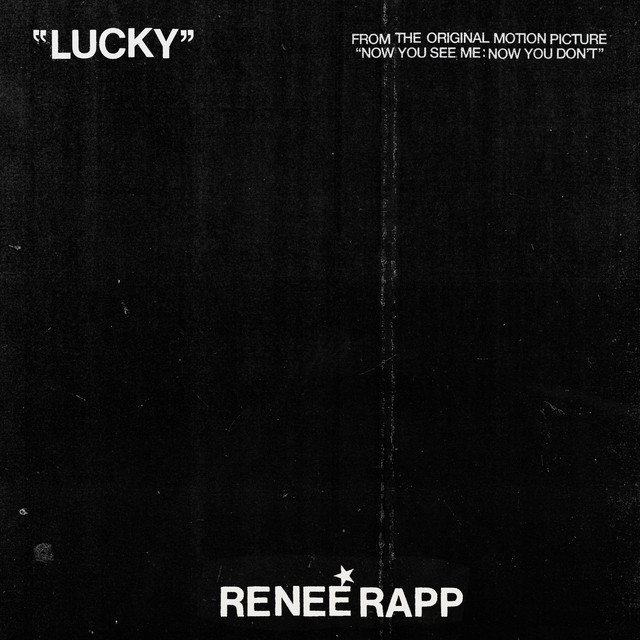
'Lucky,' the standout track from the soundtrack of the film Now You See Me: Now You Don’t, is more than just a catchy pop tune; it's a declaration of independence for young women grappling with the relentless pressures of society. Released in October 2025, Rapp's song is a raw and honest portrayal of the desire to break free from the constraints that often define female identity.
The Weight of Expectation
Reneé Rapp, who rose to fame playing Regina George in Broadway's Mean Girls, channels her experiences into 'Lucky.' The song's production, layered with synth-pop elements, creates an uplifting soundscape that juxtaposes the weight of its lyrics. Rapp's voice is both delicate and powerful as she conveys a struggle that many young women face: the feeling of never being enough.
"I wish I could be more like you, but I just can't fit in"
This line encapsulates the struggles of conformity and comparison, which are often magnified by social media. Rapp's candidness about her insecurities makes 'Lucky' a relatable anthem. It's a rallying cry for those who feel pressure to meet societal standards, particularly around beauty and success.
A New Generation of Self-Acceptance
As Rapp sings about feeling 'lucky' despite her flaws, she flips the script on what it means to be successful. The chorus is an invitation to embrace one's uniqueness, a message that resonates with many young listeners who are tired of chasing an unattainable ideal.
"Yeah, I’m lucky, but I’m not perfect"
This admission is refreshing and empowering. It acknowledges that perfection is a myth while celebrating the beauty found in imperfection. Through 'Lucky,' Rapp encourages a shift in perspective: success isn't solely defined by external validation but rather by self-acceptance.
Reneé Rapp's journey from Broadway to music showcases her versatility as an artist, making her a role model for young women.
Impact Beyond the Music
The cultural significance of 'Lucky' extends beyond its infectious melody. As more young women confront the pressures of modern life, songs like Rapp's become vital tools for self-empowerment. The song's impact is amplified by its placement in a film that explores themes of illusion and reality, mirroring the duality of how young women often present themselves versus who they truly are.
In a world where the narrative is frequently dictated by unrealistic standards, Rapp's 'Lucky' serves as a beacon of hope. It fosters a sense of community among listeners, uniting them through shared experiences of self-doubt and resilience.
A Movement in the Making
By embracing vulnerability, Rapp not only carves out her identity as an artist but also inspires a movement where young women can openly discuss their struggles. 'Lucky' is a reminder that while societal pressures may exist, they do not have to define one's worth.
Rapp's voice echoes a simple yet profound truth: everyone is lucky in their way, and that is enough. As the song continues to climb the charts, it solidifies its place as an anthem of self-love and acceptance in a world that often demands conformity.