Haunting Melodies and Southern Roots
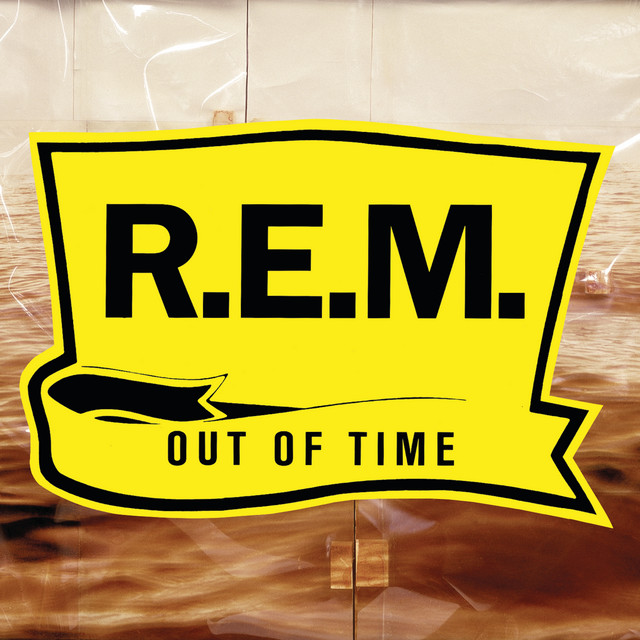
R.E.M.'s "Losing My Religion," released in 1991 as the lead single from the album Out of Time, is often hailed as a cornerstone of alternative rock. But beyond its infectious mandolin riff and Michael Stipe's evocative vocals lies a deeper, darker influence: the Southern Gothic literary tradition. This genre, characterized by its exploration of moral decay, social issues, and the grotesque, seeps into the fabric of the song and its themes of alienation and yearning.
The Southern Gothic Connection
Southern Gothic literature is known for its complex characters and atmospheric settings, often reflecting the tensions of Southern society. Authors like Flannery O'Connor and William Faulkner depict lives intertwined with tragedy and introspection, themes that echo in "Losing My Religion." The song's narrative embodies a struggle with faith and doubt, akin to O'Connor's characters who wrestle with their own moral dilemmas.
"That's me in the corner, that's me in the spotlight, losing my religion."
Stipe's haunting confession feels like a character caught in a Southern Gothic tale, wrestling with internal demons while standing on the precipice of despair. The imagery here is stark and vivid, much like the settings found in the works of Southern Gothic writers. The sense of isolation and the fear of exposure resonate with the archetypal Southern Gothic protagonist, who often grapples with their own vulnerabilities.
Existential Dread and Isolation
In Southern Gothic stories, settings often reflect the emotional state of characters. The same can be said for "Losing My Religion." The song’s melancholic undertones and haunting instrumentation create a landscape of emotional turmoil. The mandolin, played by Peter Buck, adds a layer of fragility, evoking the Southern Gothic’s penchant for blending beauty with decay.
The lyrics delve into feelings of inadequacy and longing, sentiments that are prevalent in Southern Gothic literature. The struggle for faith, as expressed through the line,
speaks to the yearning for connection, a recurring theme in both R.E.M.'s work and Southern Gothic narratives. Characters often seek solace in relationships that ultimately betray them, mirroring the complexities found in Stipe's poignant reflections."I thought that I heard you laughing, I thought that I heard you sing."
The Influence of Place
Place plays a crucial role in both Southern Gothic literature and R.E.M.'s music. The South, with its rich history and cultural complexities, serves as a backdrop for stories of despair and hope. R.E.M., hailing from Athens, Georgia, infuses their work with a sense of Southern identity, which permeates the emotional core of "Losing My Religion." This geographical influence shapes the song's narrative, grounding it in a reality that is both personal and universal.
Did you know? "Losing My Religion" became R.E.M.'s biggest hit in the U.S., paving the way for their commercial success while maintaining their artistic integrity.
Faith, Doubt, and Redemption
The tension between faith and doubt is a hallmark of both Southern Gothic literature and "Losing My Religion." The song's exploration of spiritual crisis mirrors the moral complexities in works by writers like Carson McCullers, who often depict characters in search of redemption amidst their own failures. Stipe's haunting delivery captures this existential struggle, inviting listeners to confront their own uncertainties.
"If I had my way, I'd never get over you."
This line encapsulates the longing and despair found in Southern Gothic narratives. The desire for reconciliation, yet the acknowledgment of impossible circumstances, is a powerful sentiment that binds the song to the literary tradition it echoes. R.E.M. channels this complexity, creating a multi-layered experience that transcends mere pop music.
Conclusion: A Lasting Legacy
R.E.M.'s "Losing My Religion" stands not only as a landmark of 90s alternative rock but also as a testament to the influence of Southern Gothic literature. The song’s themes of alienation, faith, and despair reflect the intricate relationship between art and the human experience. Just as Southern Gothic authors have explored the darker sides of life, R.E.M. invites us to face our own demons, making their music timeless and deeply resonant.