A Melodic Descent
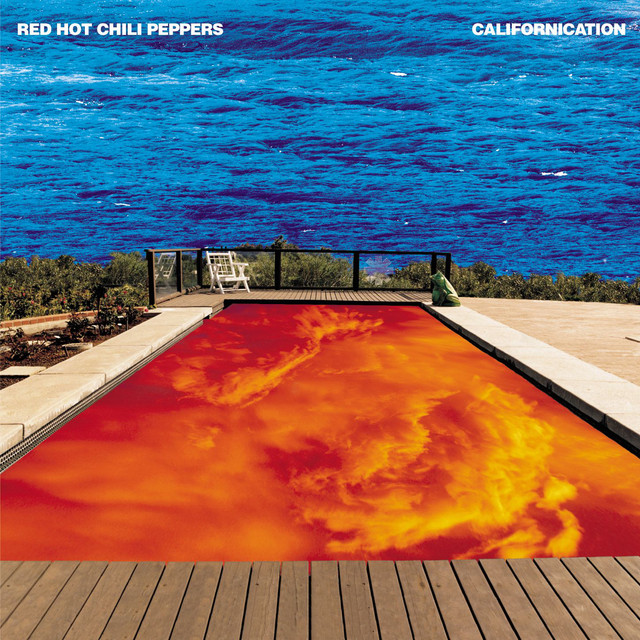
Released in 1999 on the album Californication, 'Otherside' showcases the Red Hot Chili Peppers at a pivotal moment in their career. The band, known for their fusion of funk and rock, crafted a haunting melody that serves as a backdrop to themes of struggle, particularly addiction. With its eerie guitar riffs and Anthony Kiedis's introspective lyrics, the song paints a vivid picture of the battle against inner demons.
Facing the Abyss
The opening lines of 'Otherside' set a tone of contemplation and confrontation:
This question encapsulates the cyclical nature of addiction, where one often grapples with the feeling of being trapped in a never-ending cycle. Kiedis's voice, layered with both longing and despair, invites listeners to reflect on their own struggles."How long, how long will I slide?"
The Duality of Desire
Addiction is often characterized by a push and pull between desire and destruction. The song's chorus, with its haunting melody, evokes a sense of yearning for escape yet an acknowledgment of the consequences that come with it. The line,
suggests a desire to transcend the pain, to find solace away from the chaos. This duality mirrors the experiences of many who battle addiction, seeking liberation while grappling with the weight of their choices."Take it on the otherside,"
A Reflection of Personal Struggles
Kiedis's own history with addiction adds a layer of authenticity to 'Otherside.' Having faced his demons publicly, his lyrics resonate with a raw honesty that is often absent in discussions about addiction. The imagery of looking for a way out is palpable, as he reflects on the emotional toll of his experiences:
This line speaks to the internal conflict many addicts face, where reality becomes distorted through the haze of substance use."I don't believe it, it's all in my head."
The song was a massive hit, marking a comeback for the band and signaling a shift in their musical direction towards a more introspective sound.
Musical Composition and Emotional Weight
The production of 'Otherside,' helmed by Rick Rubin, enhances its emotional weight. The instrumental arrangement beautifully complements the lyrical content, with a slow build-up that mirrors the gradual descent into addiction. The haunting guitar solo serves as an emotional release, echoing the turmoil expressed in the lyrics. Each note feels like a reflection of Kiedis's internal struggle, drawing listeners into a shared experience of pain and hope.
Universal Themes in a Personal Narrative
What makes 'Otherside' so compelling is its ability to transcend Kiedis's personal experiences. The themes of addiction, longing, and the search for redemption are universal, resonating with anyone who has faced their own struggles. The band’s ability to blend these themes with a catchy yet haunting melody is a testament to their artistry. The line
speaks not only to Kiedis's journey but also serves as an invitation for others to seek their own paths to recovery."I'll be the one to show you"
A Lasting Impact
'Otherside' remains one of the Red Hot Chili Peppers' most enduring works, not just for its musicality but for its honest portrayal of addiction's emotional toll. The song stands as a reminder that while the fight against addiction can be isolating, it is also a shared experience that connects us all. The haunting melody and poignant lyrics create a haunting echo of the struggles faced by many, making it a timeless anthem for those navigating the murky waters of addiction and recovery.